|
|
|
 |
Welsh Harlequin Duck
Domesticated |
| Anas platyrhynchos | |
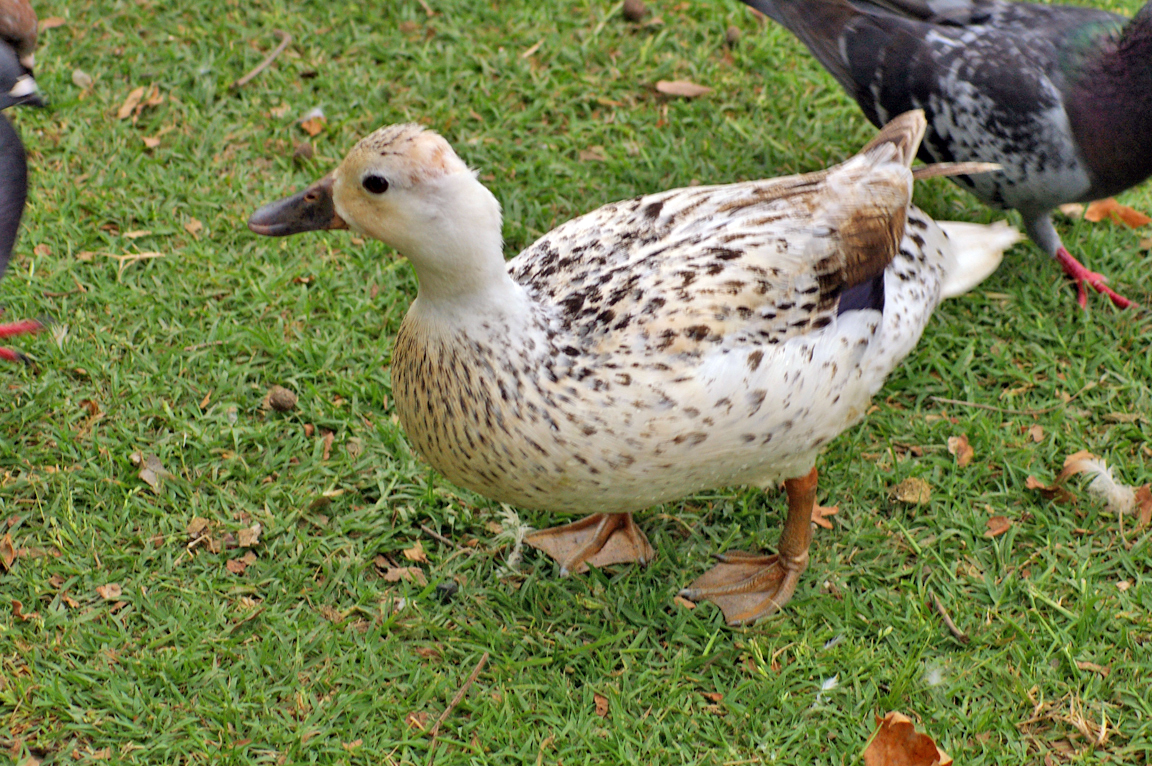
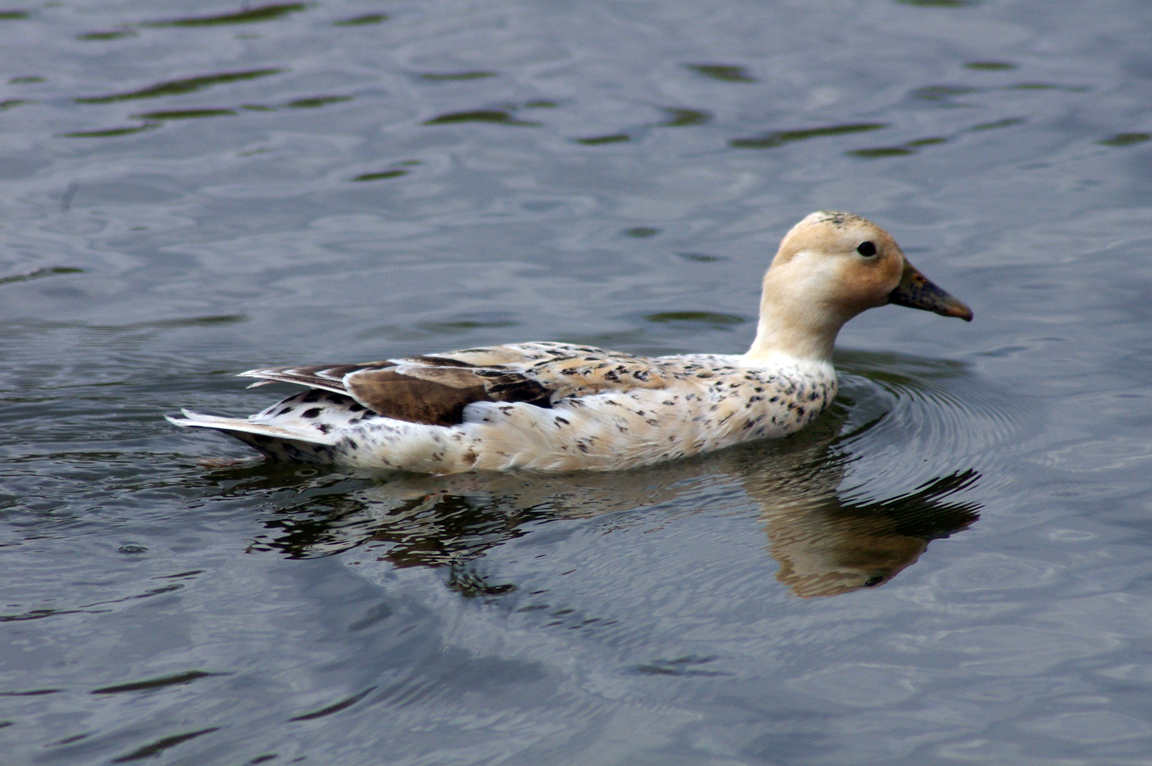
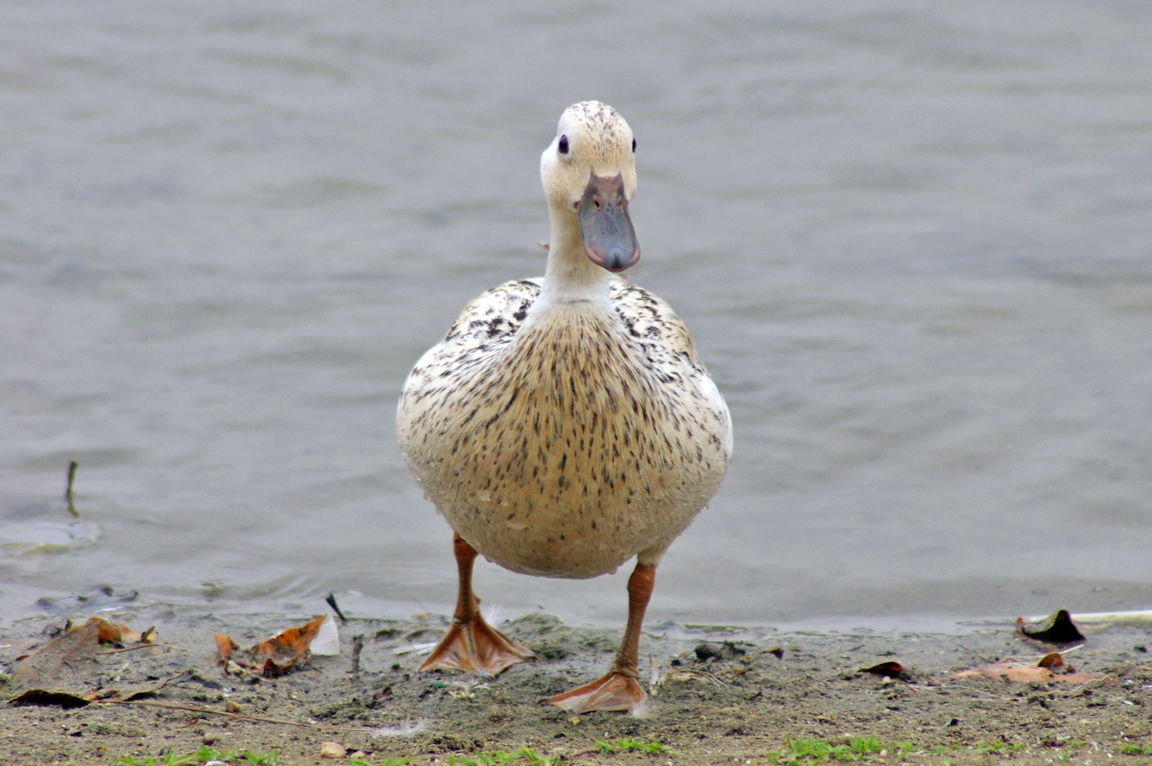
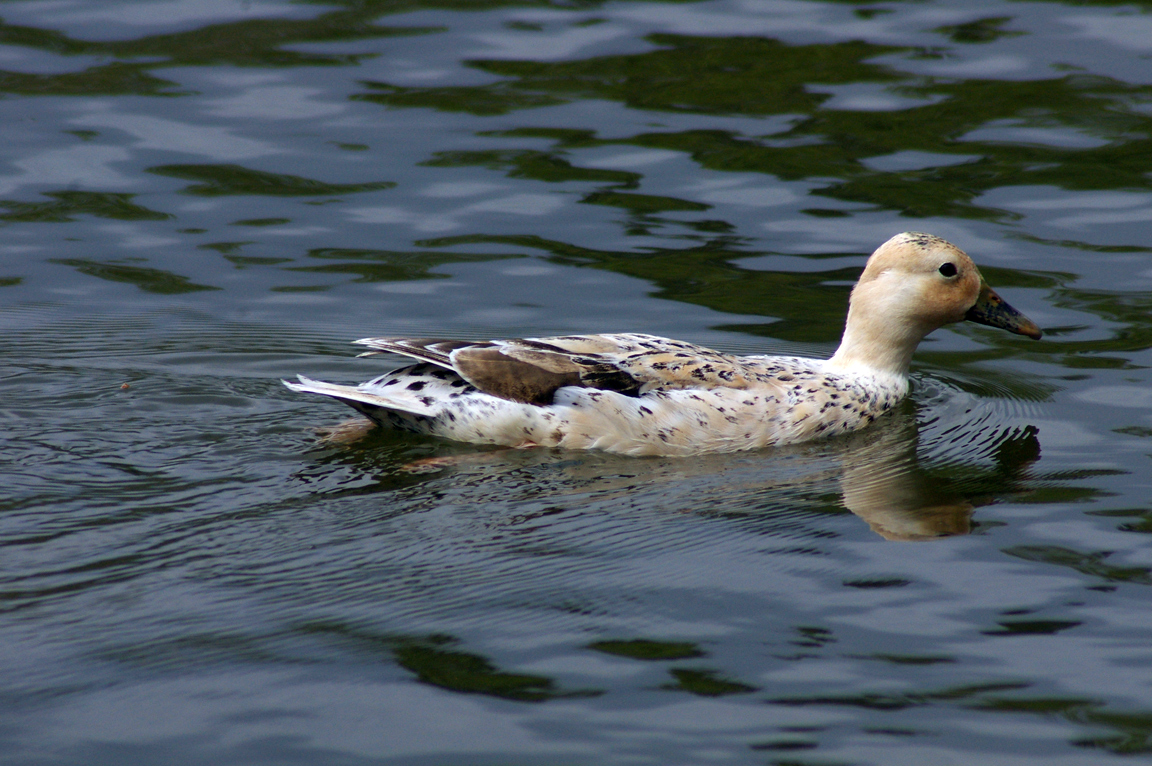
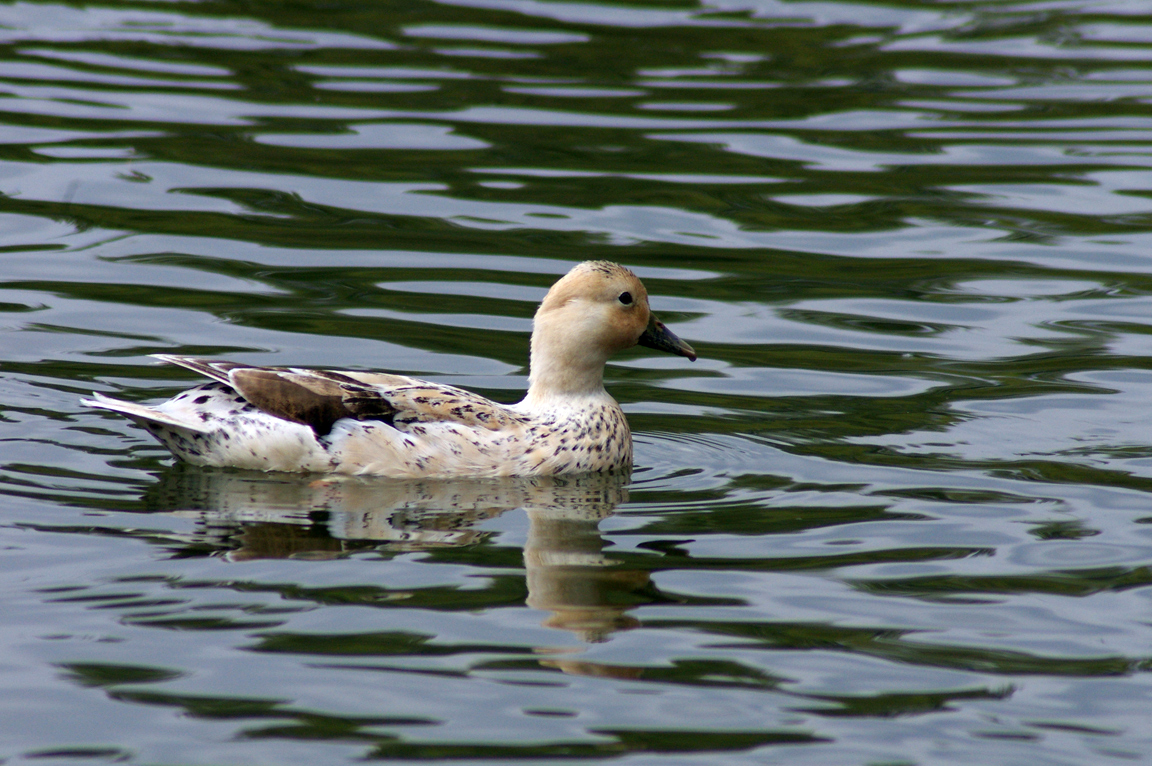
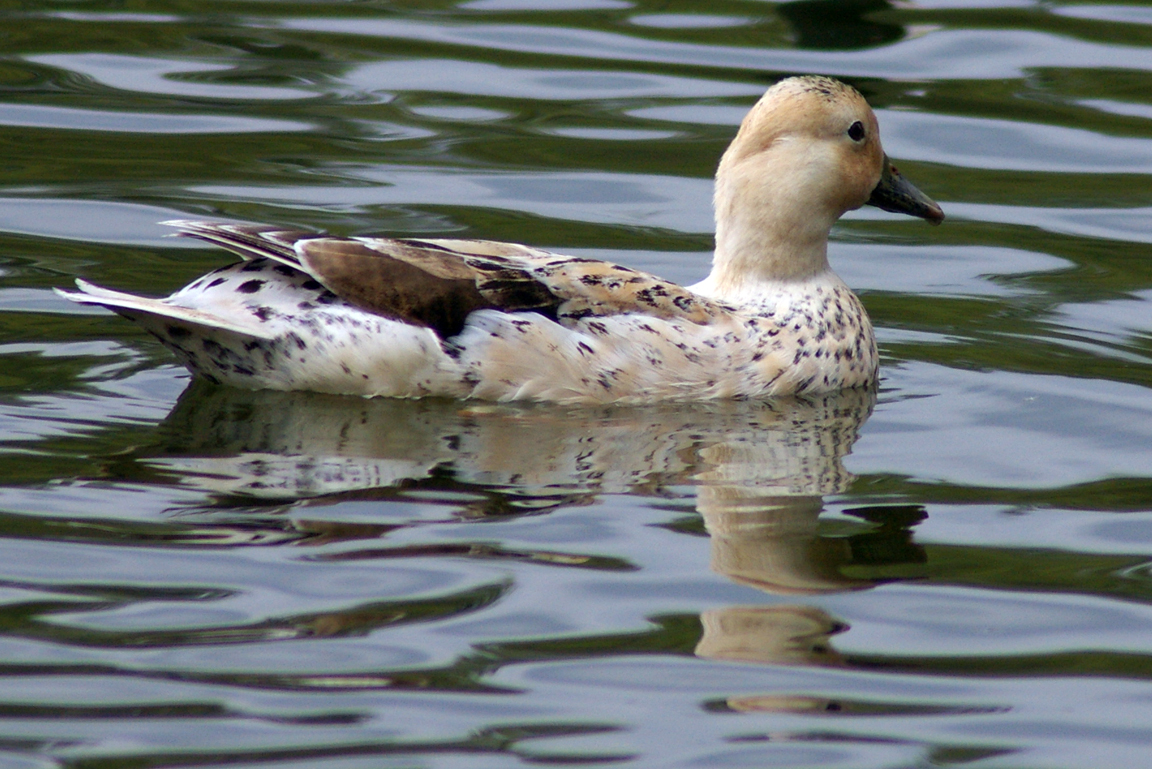
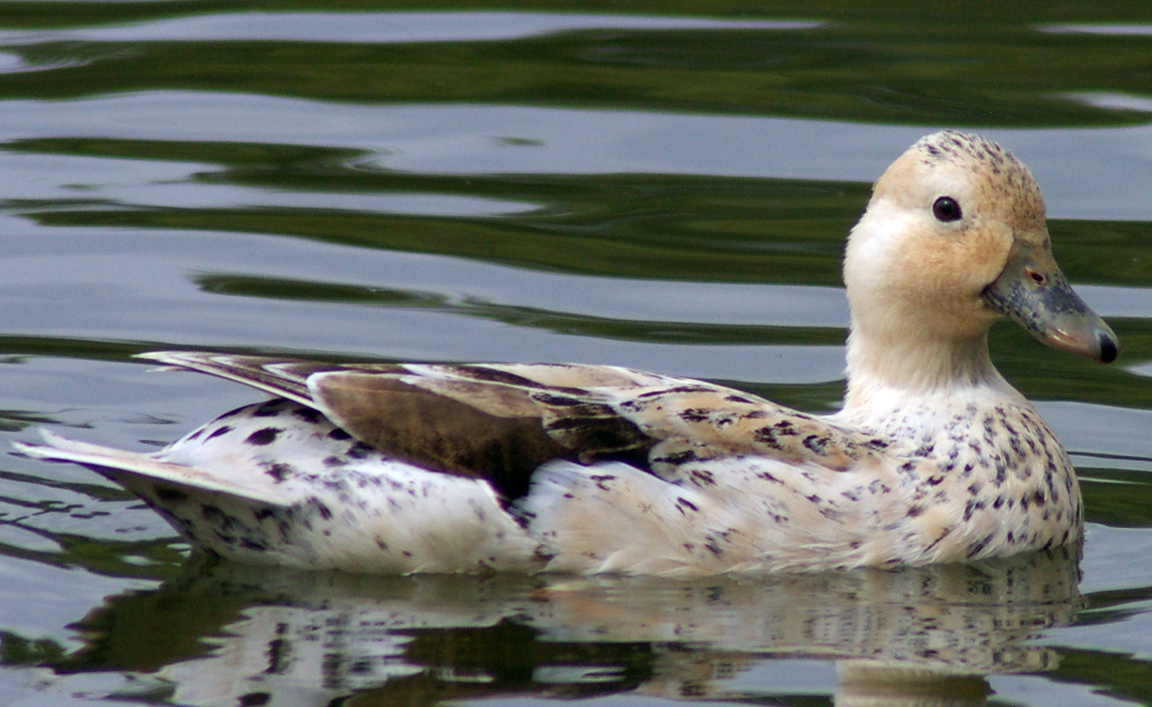
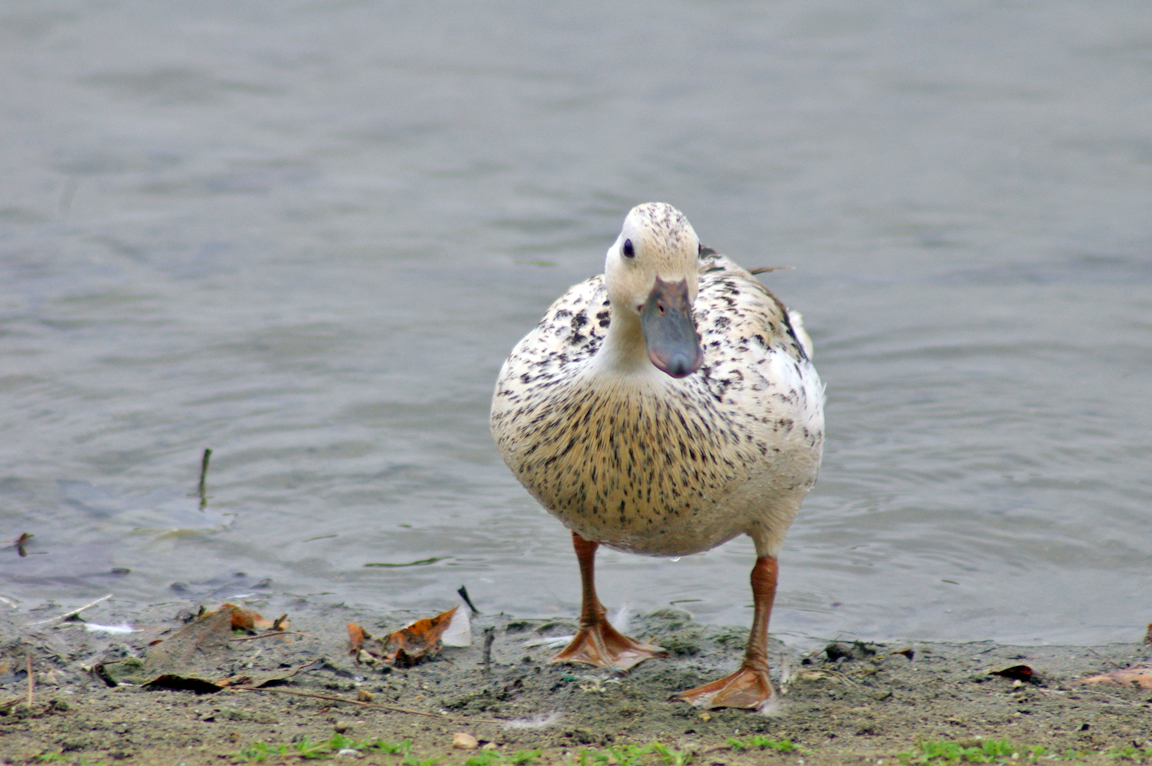
This duck originated from a color sport in the Khaki Campbell breed. It is a light breed layer of white or greenish eggs that was developed in 1949, not surprisingly in Wales.
Interesting Information
-
Welsh Harlequins are good layers (like their forebears), produce a lean carcass, and are good foragers.
-
Welsh Harlequins may be more vulnerable to predators such as birds of prey because of their light coloration.
Description
Adult Description
-
Size: 51-76 cm (20-30 in)
-
Weight: 2-2.25 kg (4.5 - 5lbs)
-
Medium-sized duck.
-
Long, thin neck.
-
Pointed tail, extremely long in males.
-
Male with white chest, white stripe up neck, and dark reddish brown head.
-
Long, narrow wings.
Sex Differences
Female
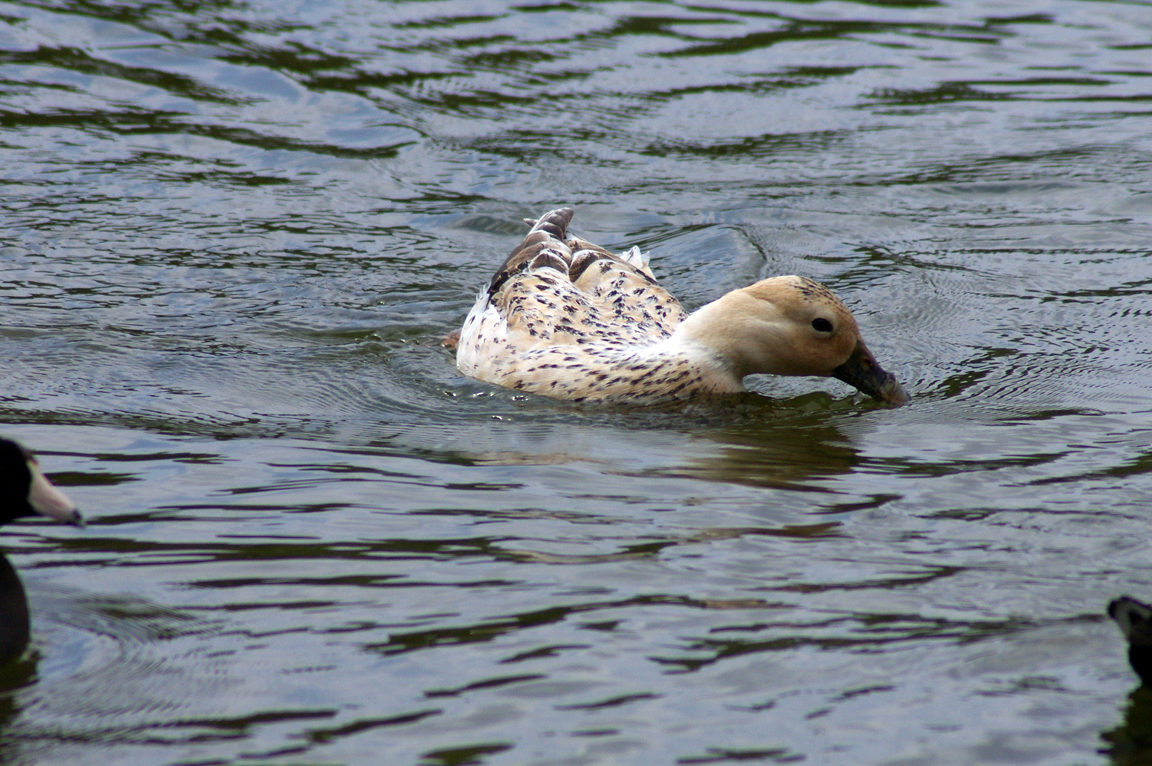
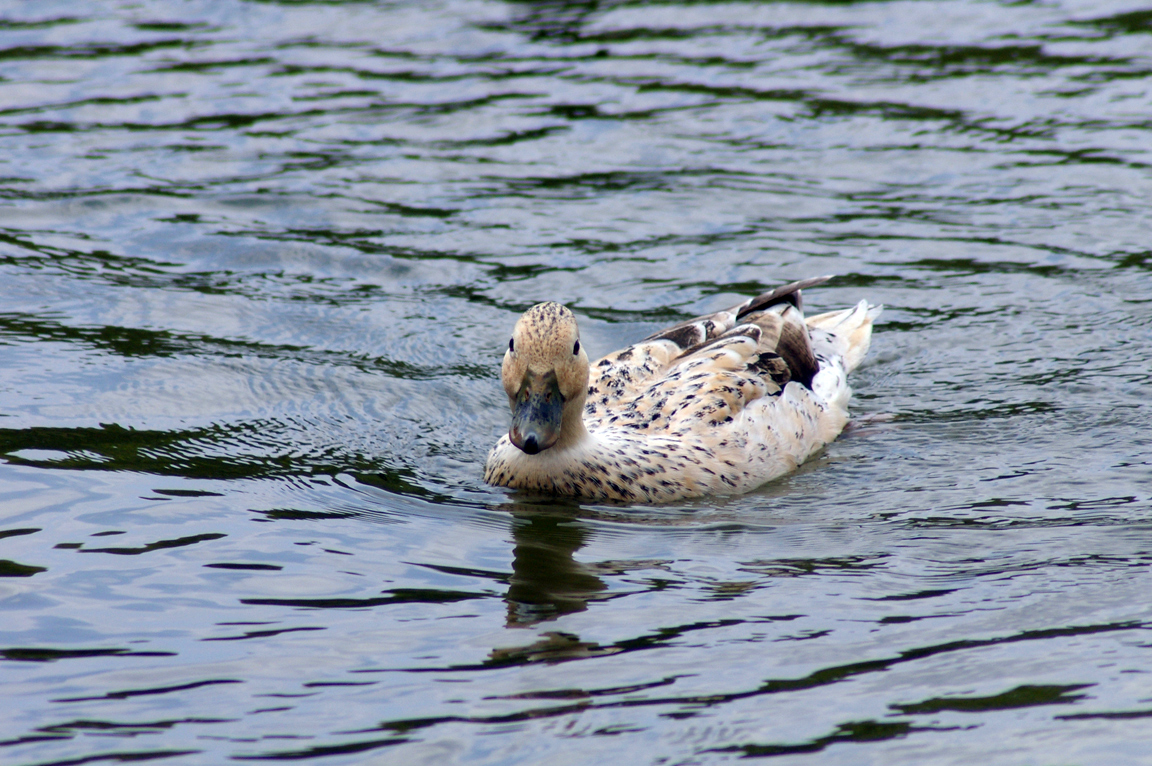
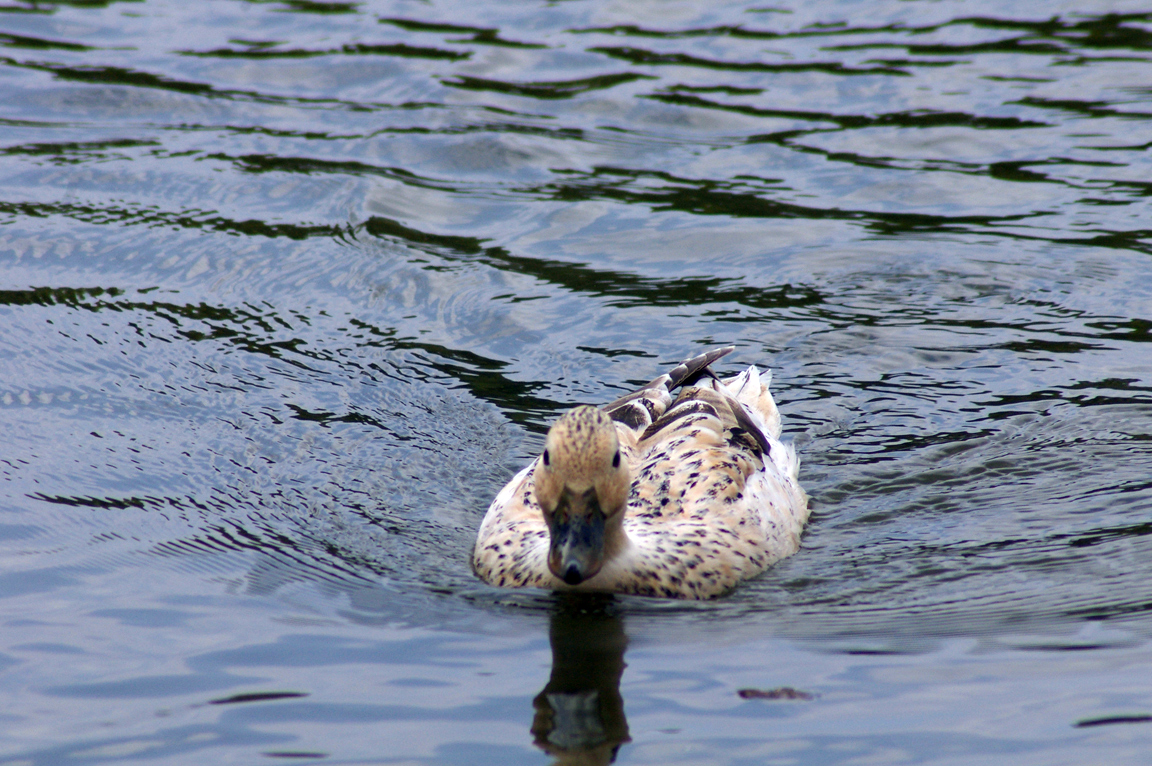
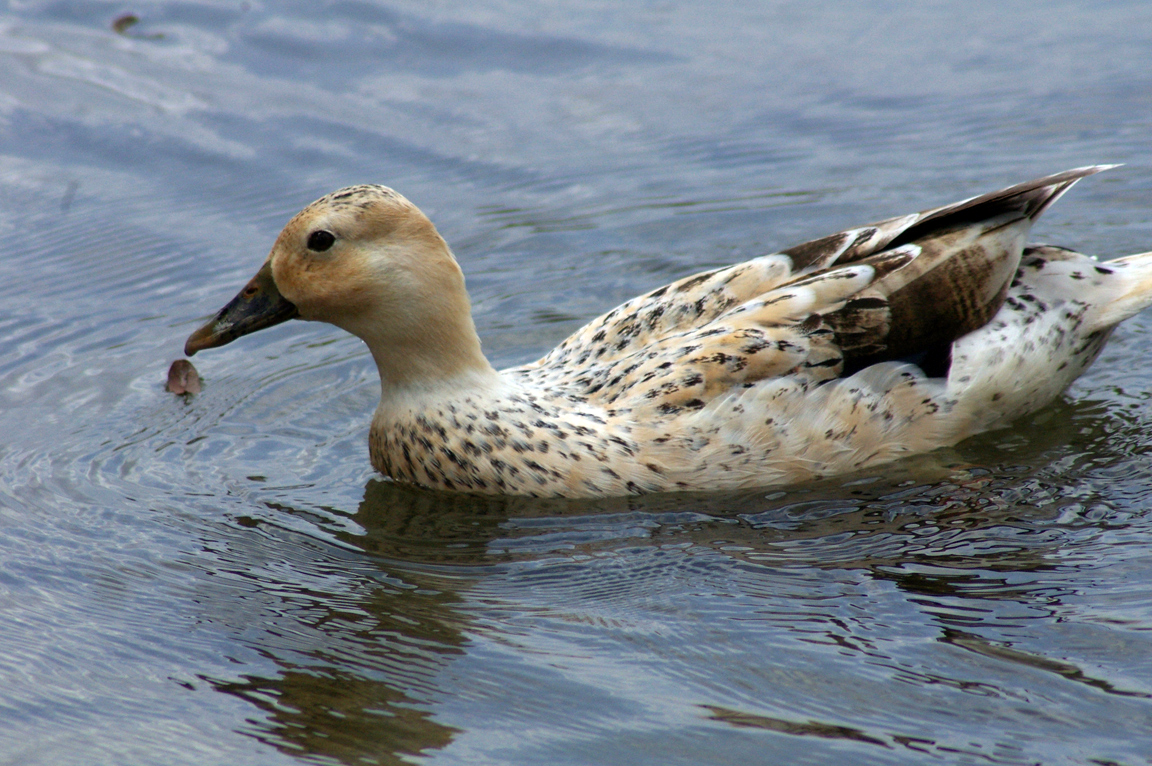
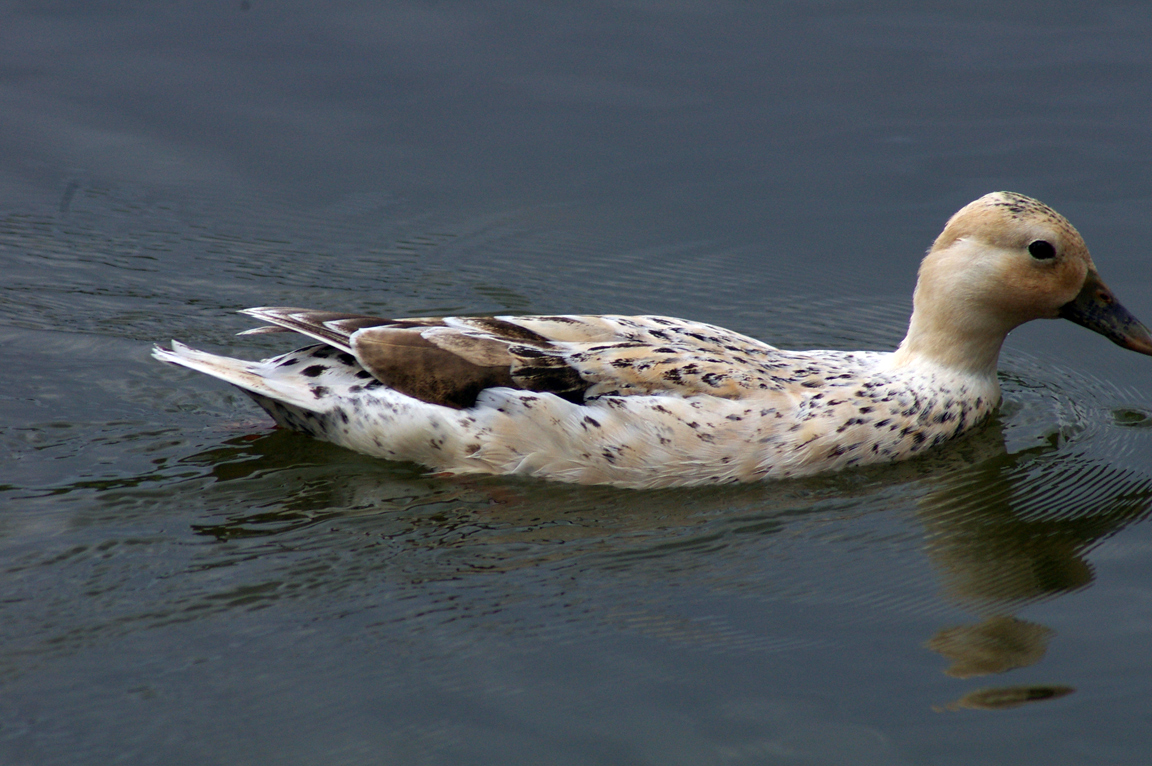
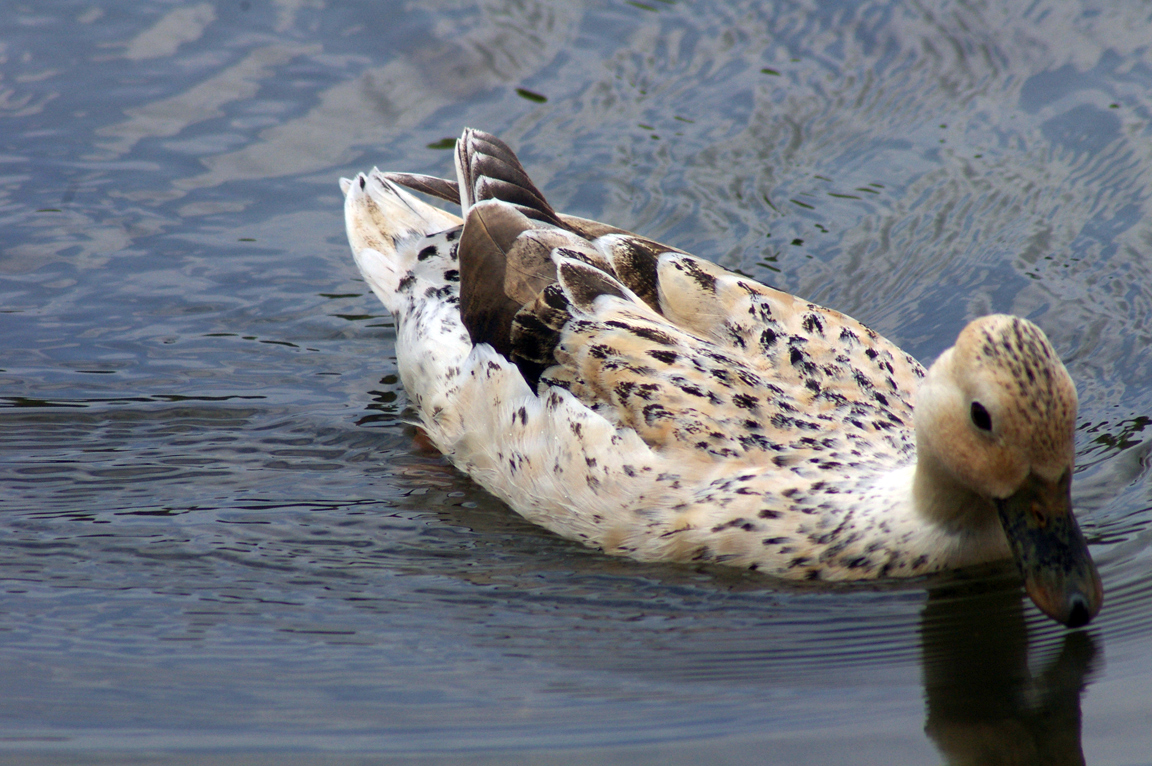
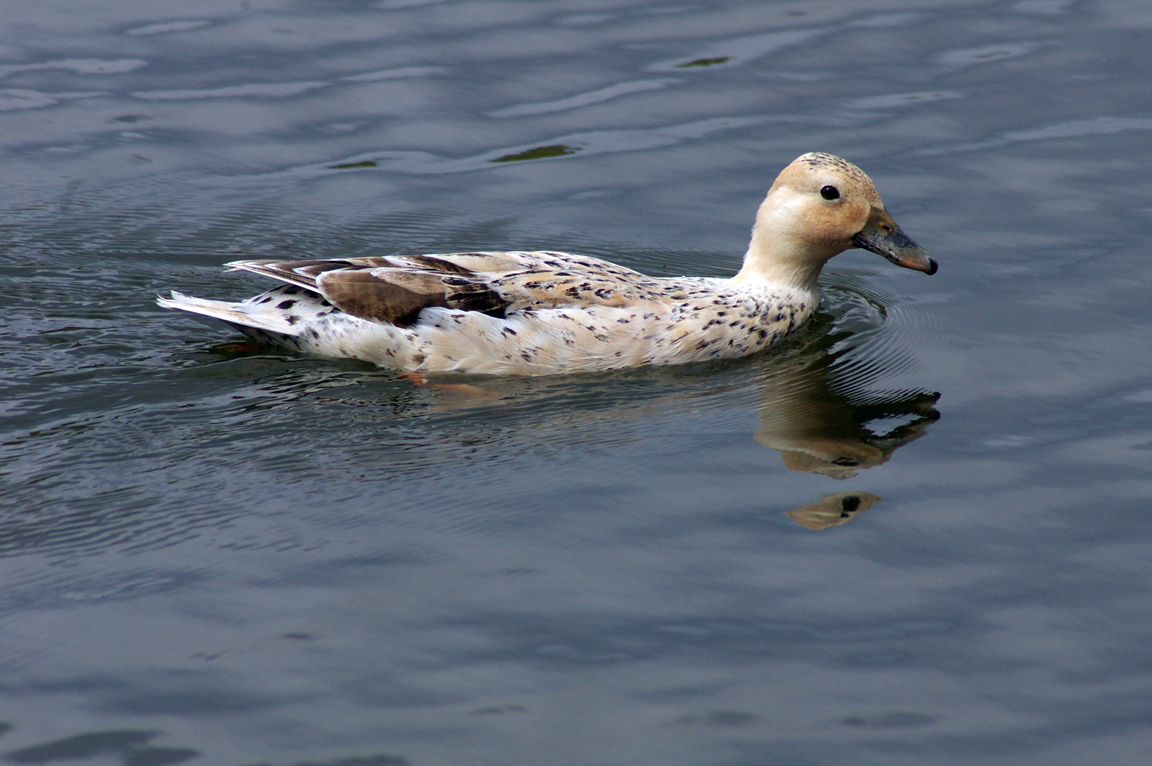
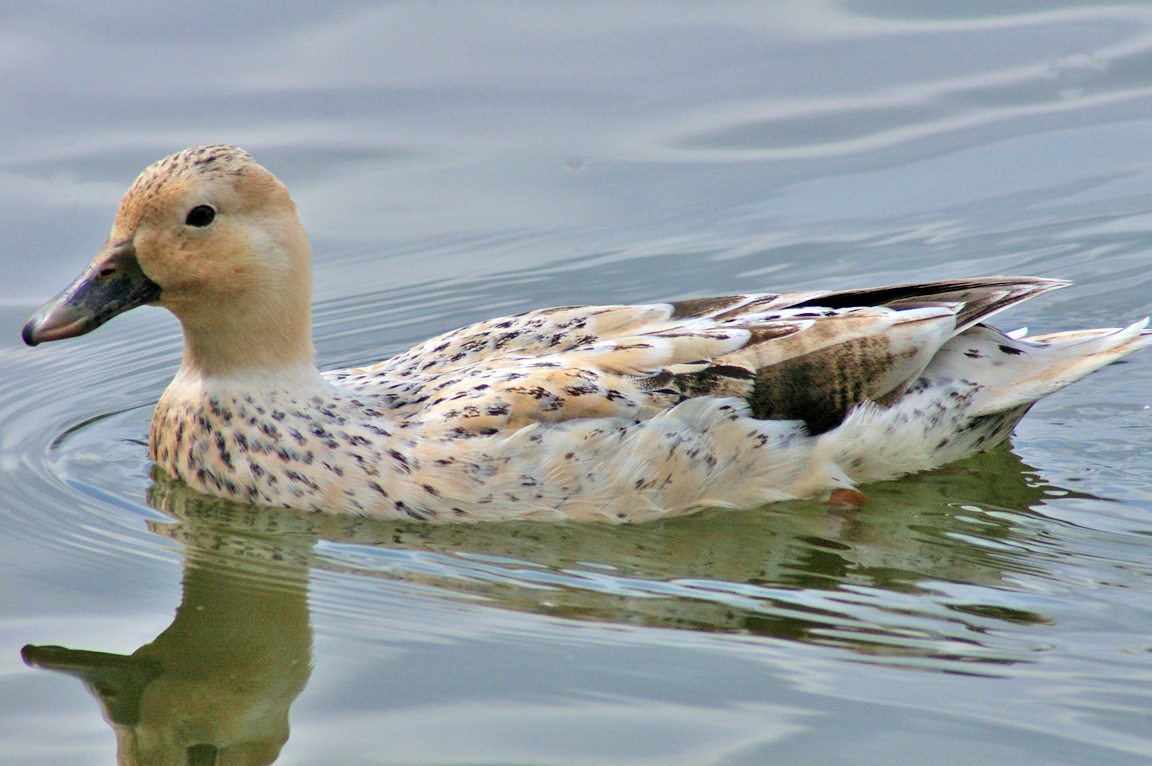
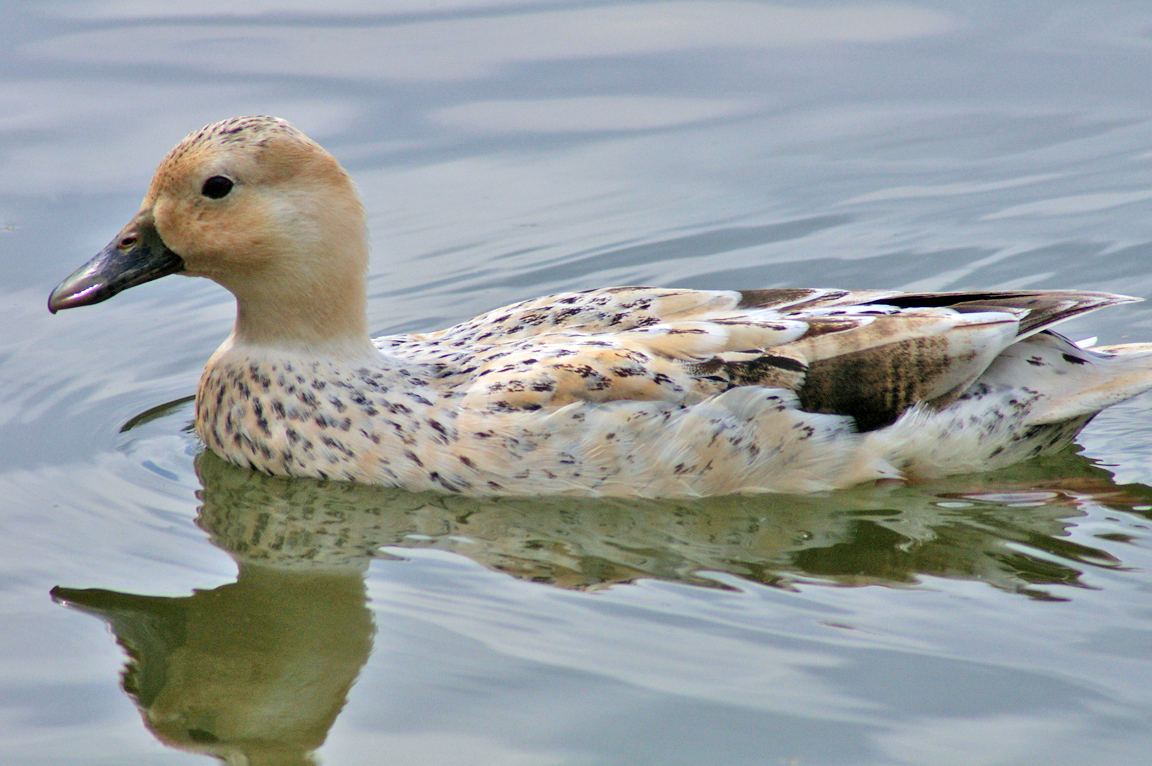
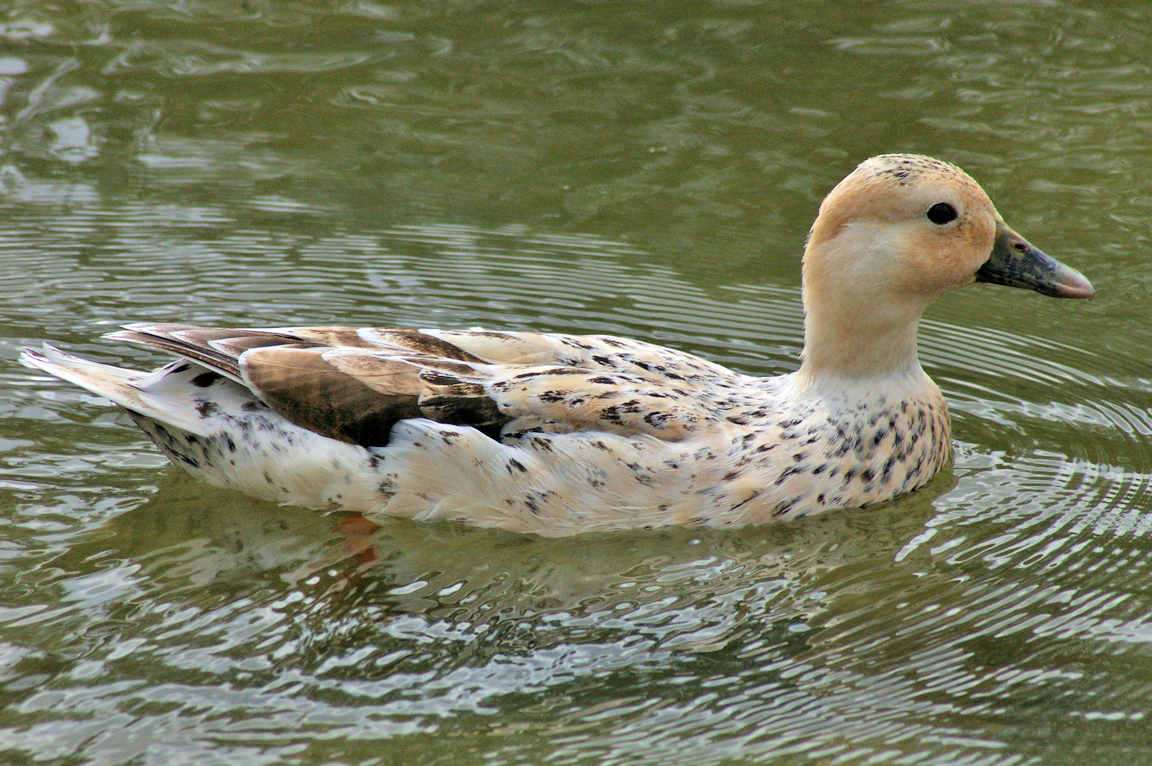
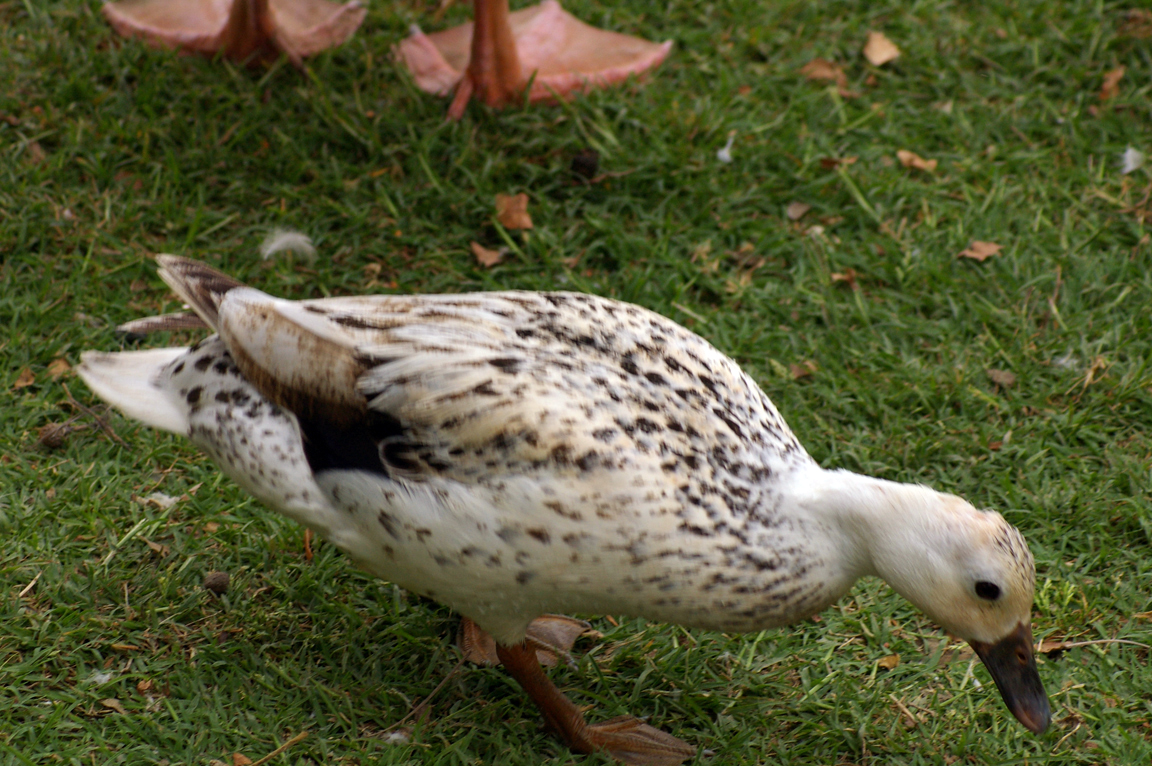
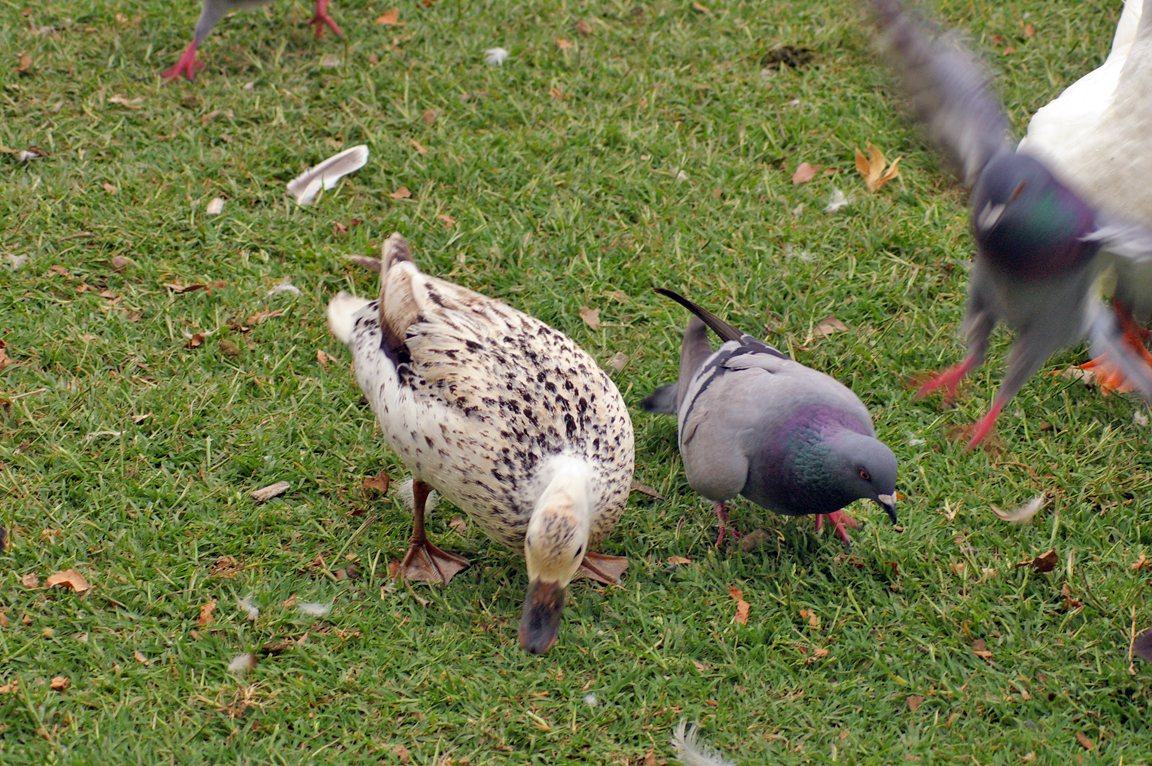
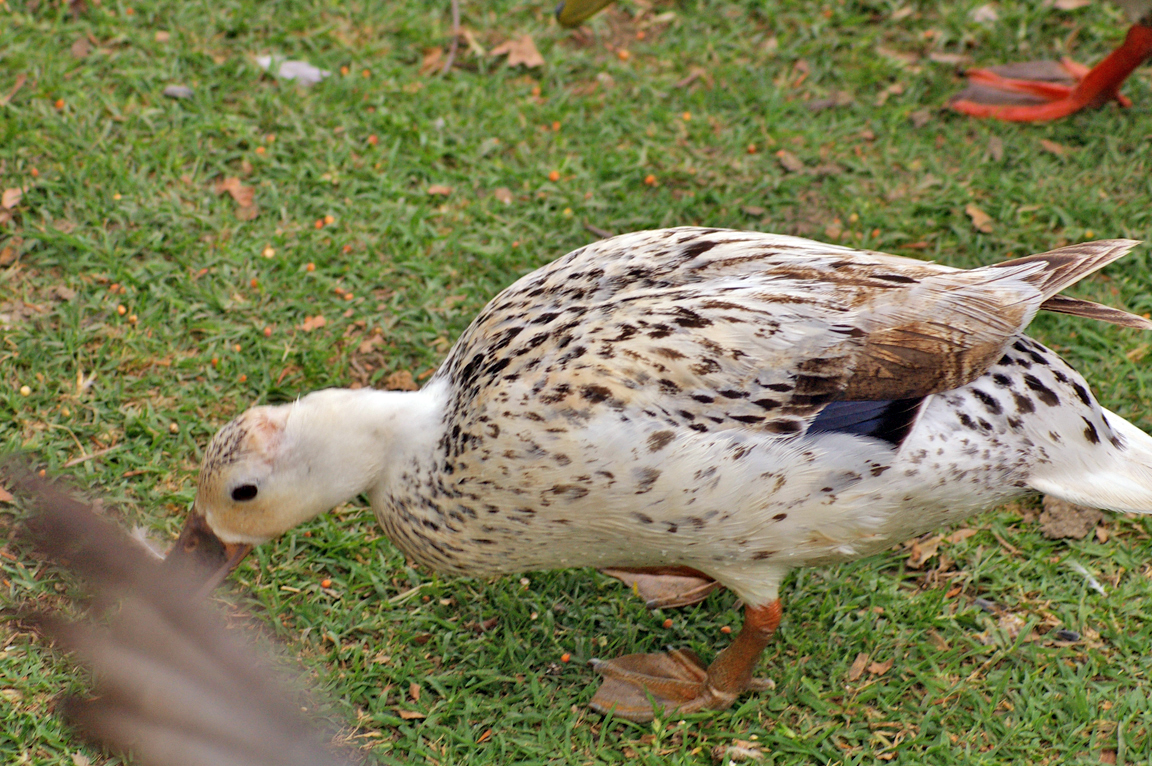
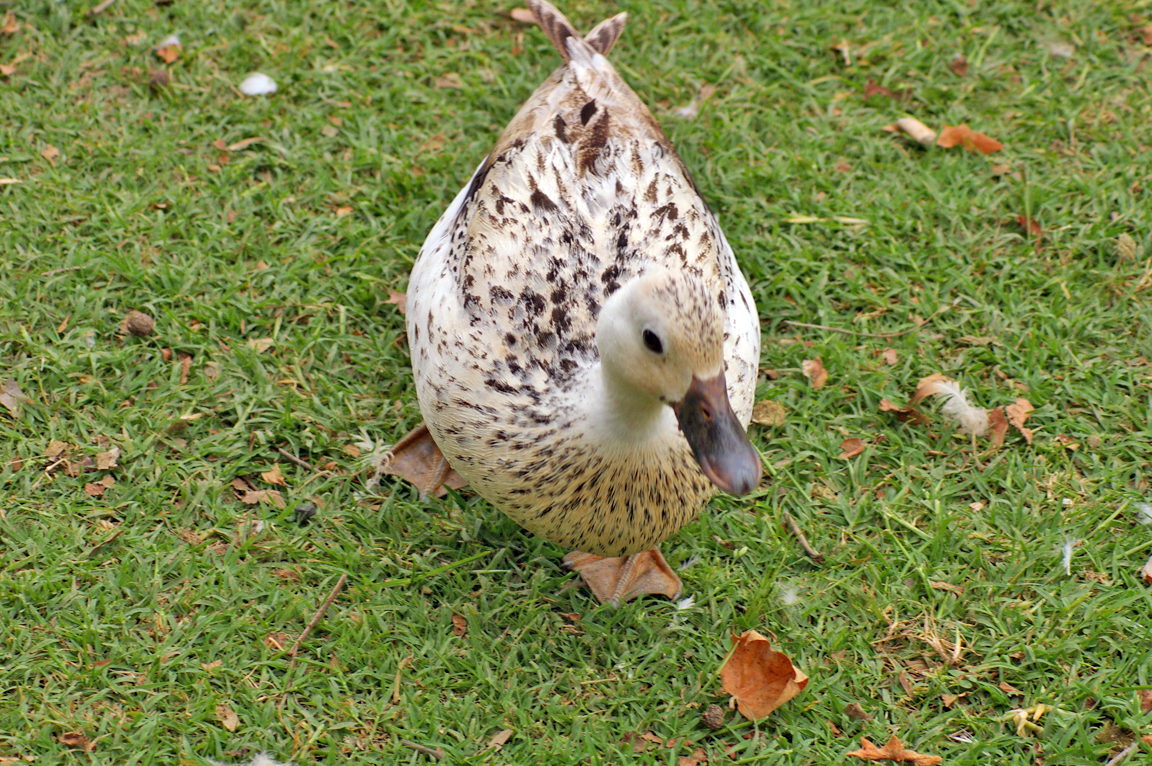
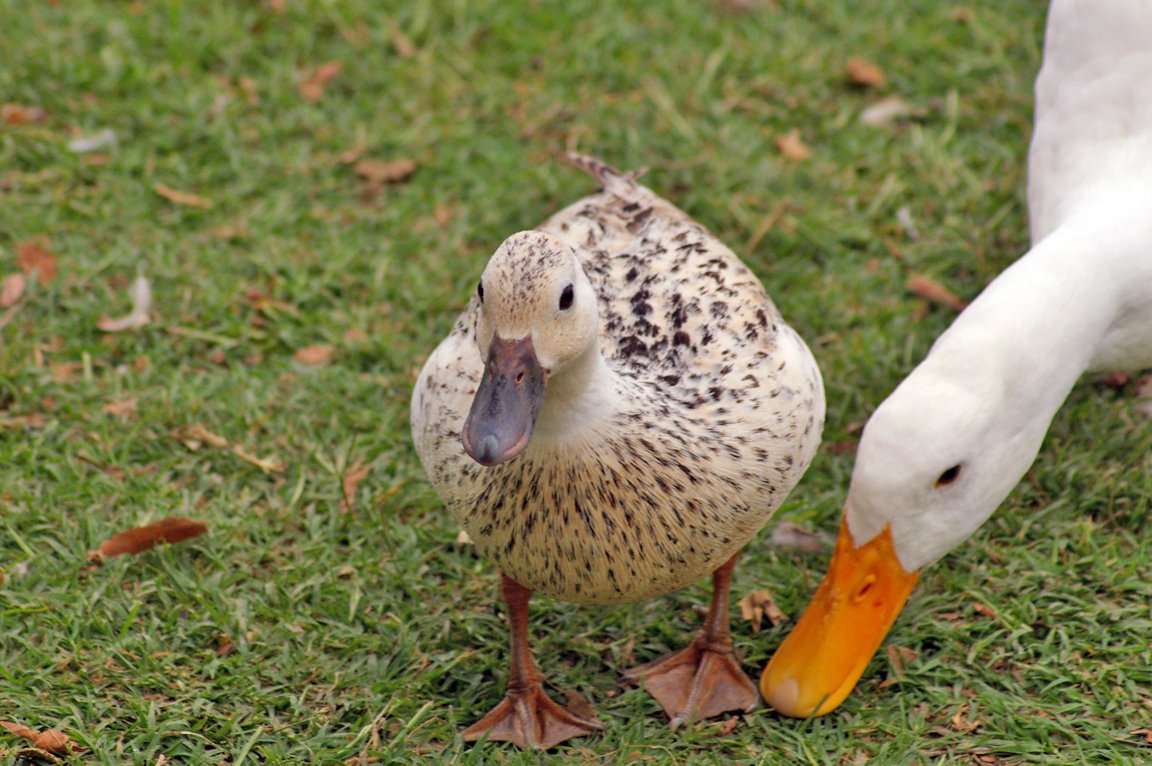
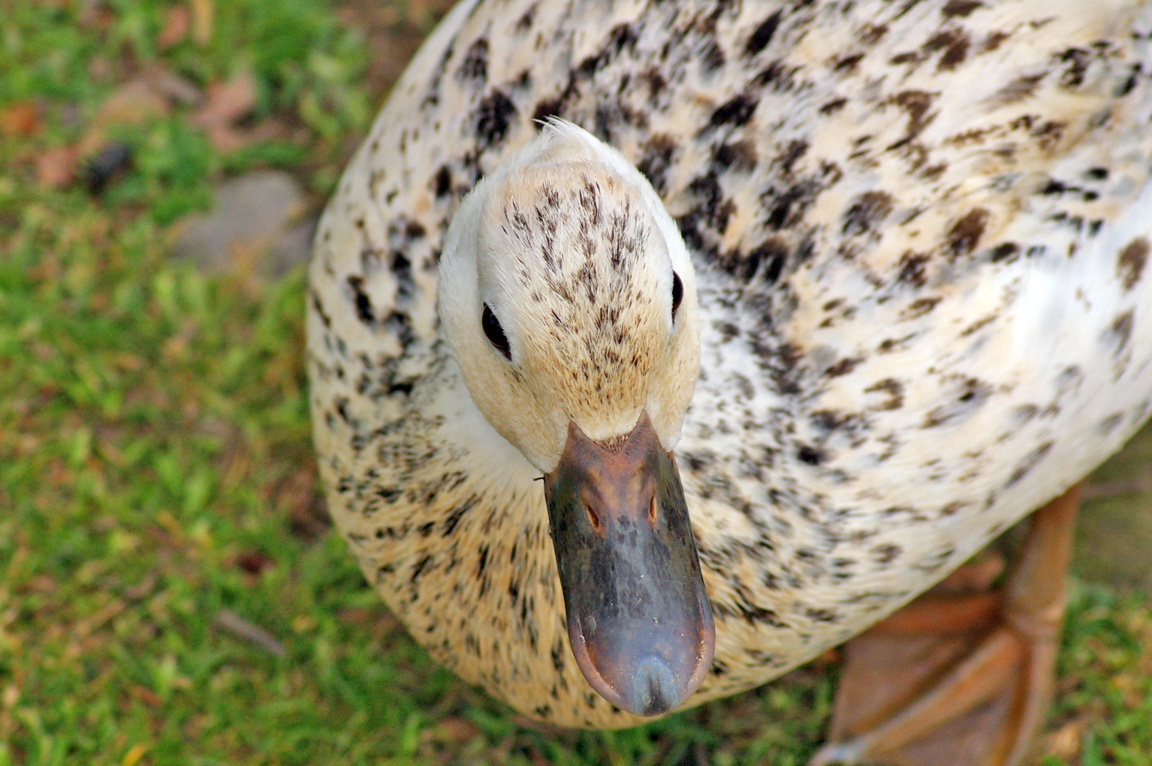
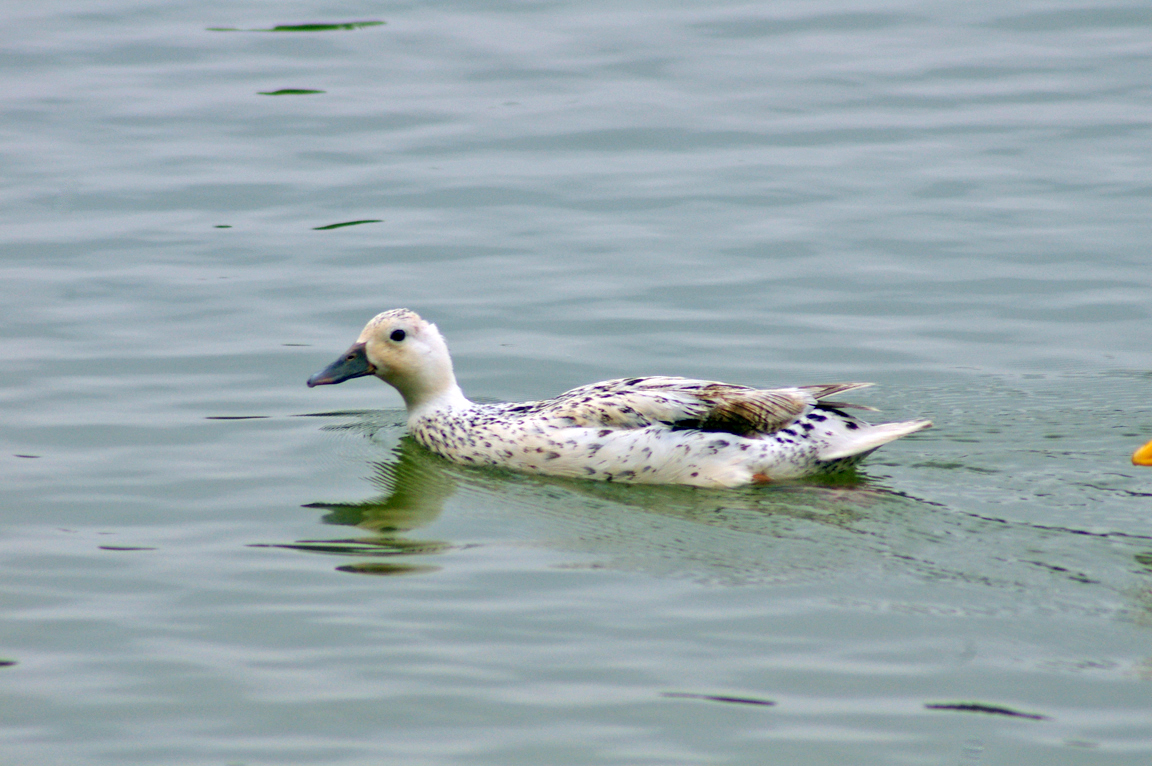
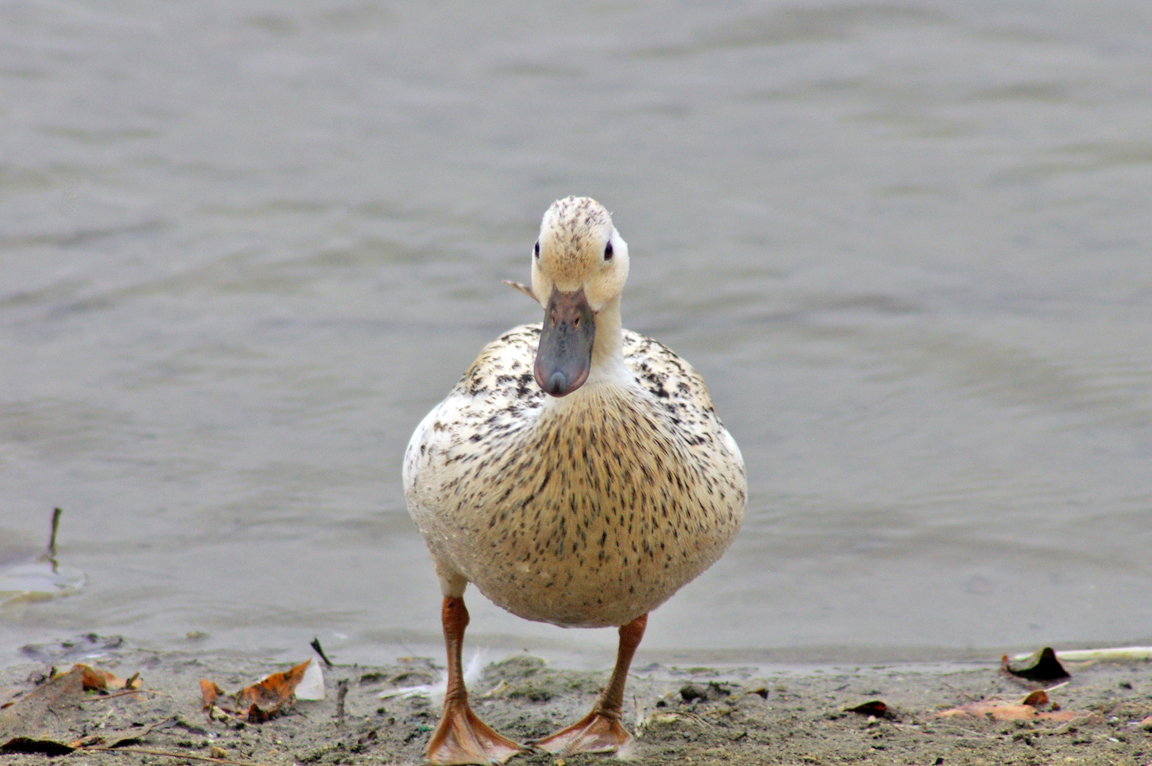
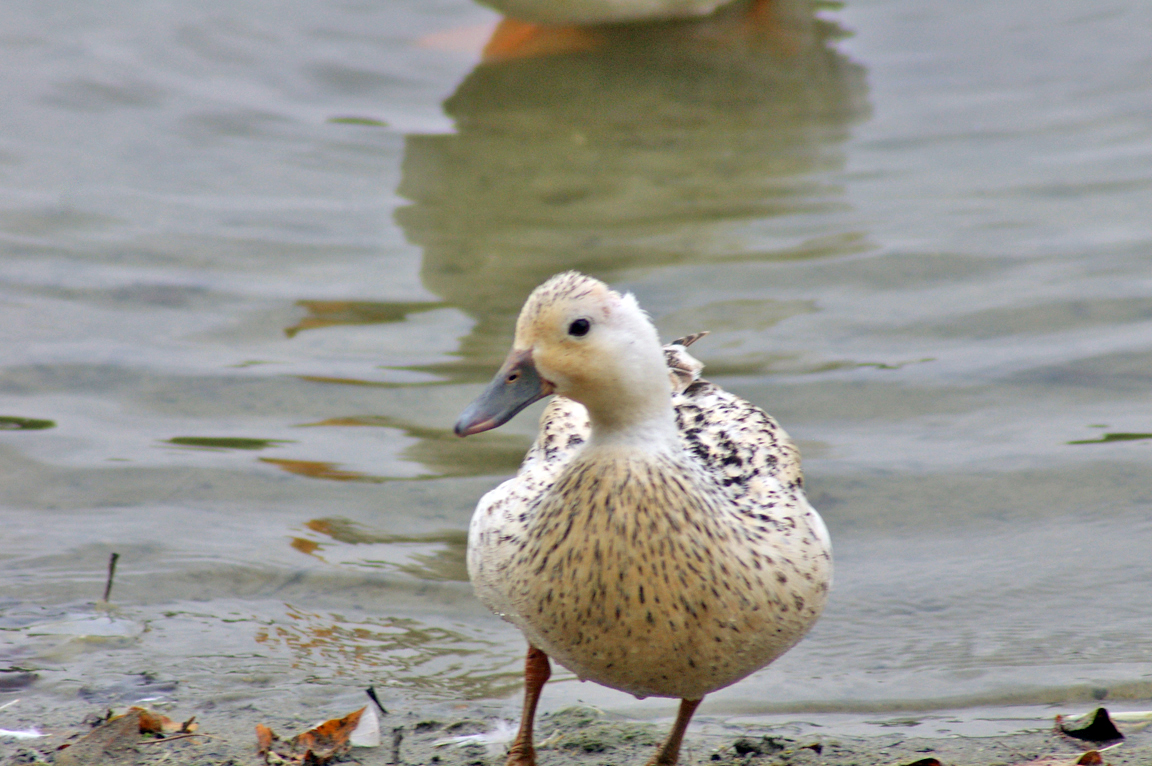
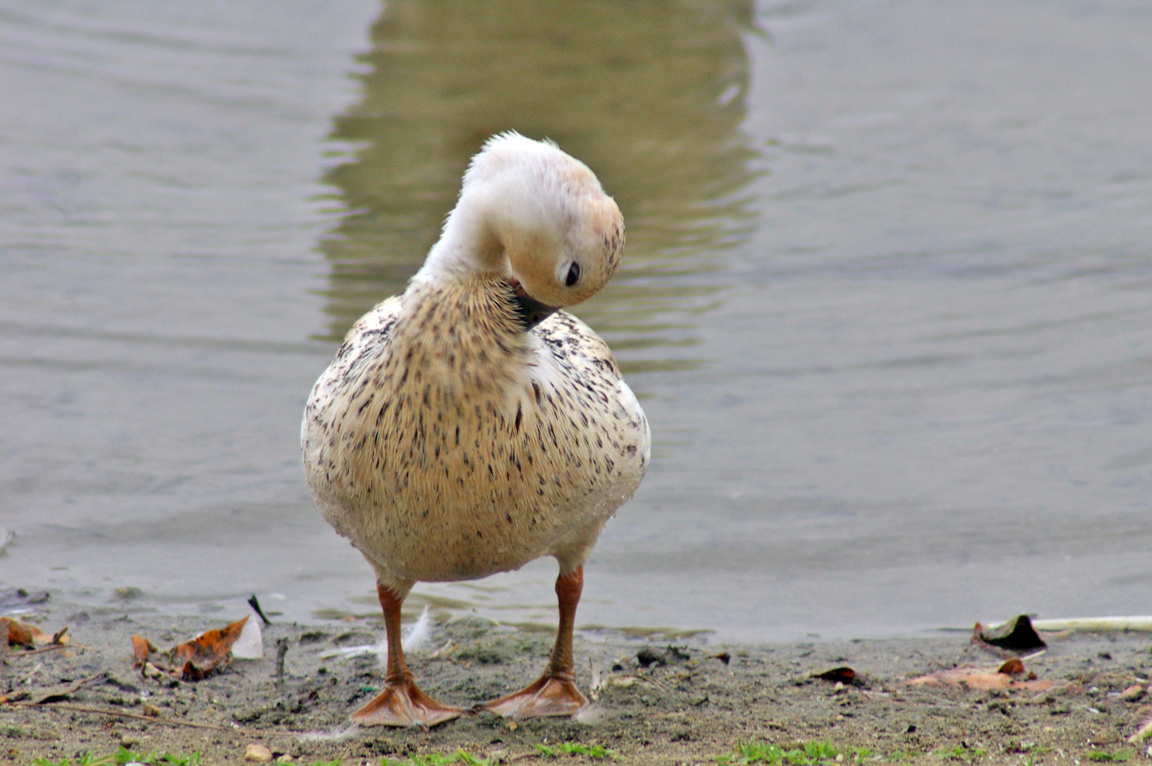
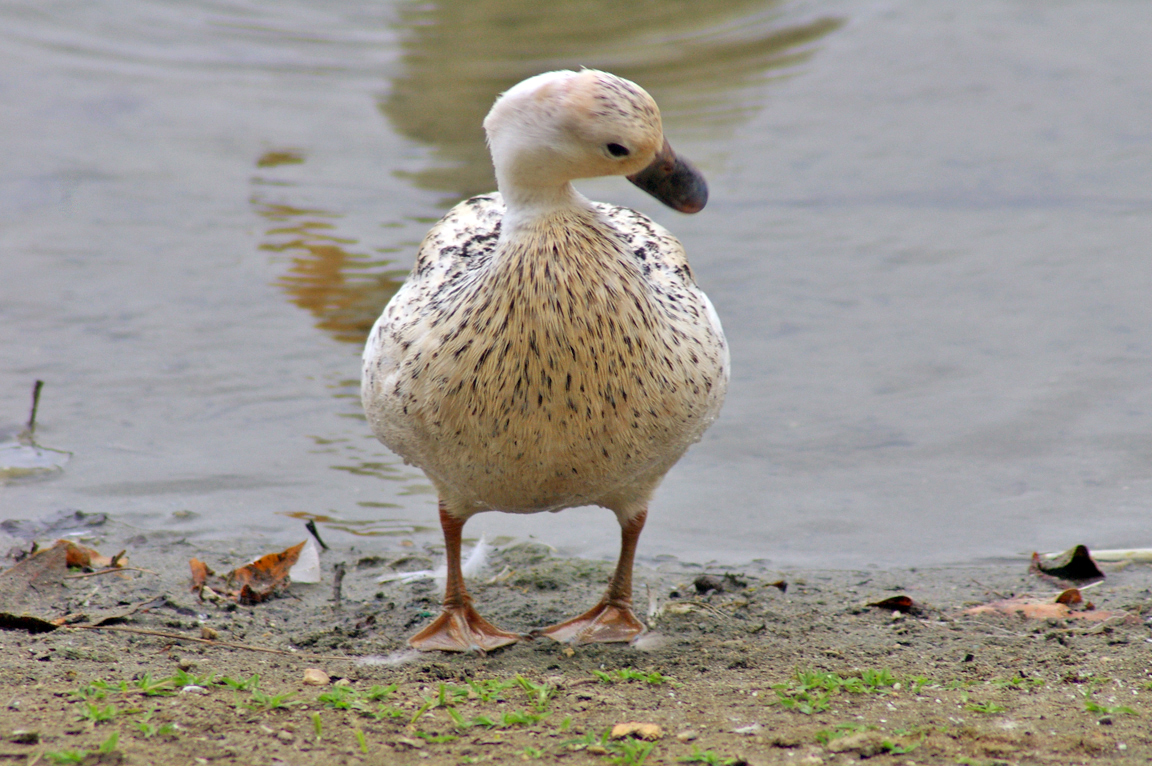
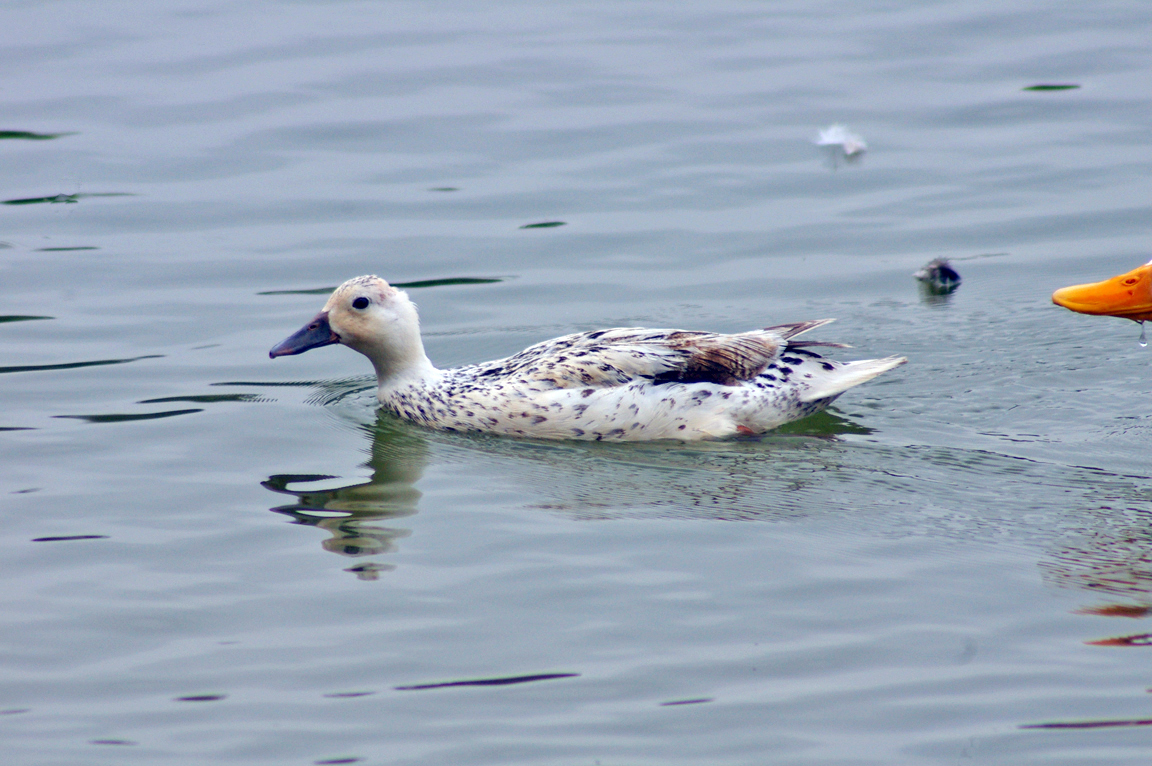
Females have a greenish black beak, and their plumage is a creamy white color with brown stippling, with brown wings edged with white.
Male
Drakes are similar to a faded Mallard with a yellow beak.
|
Habitat |
|
Nests in open country with shallow, seasonal wetlands and low vegetation. Winters in wide variety of shallow inland freshwater and intertidal habitats. |
|
Behavior |
|
Picks food from surface of ground. Dabbles, filter-feeds at surface of water, tips-up in shallow water. |
|
Food |
|
Grain, seeds, weeds, aquatic insects, crustaceans, and snails. |
Taxonomy
| Kingdom: | Animalia |
| Phylum: | Chordata |
| Subphylum: | Vertebrata |
| Class: | Aves |
| Order: | Anseriformes |
| Family: | Anatidae |
| Subfamily: | Anserinae |
| Genus: | Anas |
| Species: | Anas platyrhynchos |
| Subspecies: | Anas platyrhynchos domesticus |
Similar Species |
None |



.png)


|
|
Sources Used To Construct This Page |
|||
|
|
||||
 |
 |
 |
 |
|
| All photos and videos © Rick Swartzentrover - Free for non-profit use. | ||||