|
|
|
 |
Phainopepla
|
| Phainopepla nitens | |
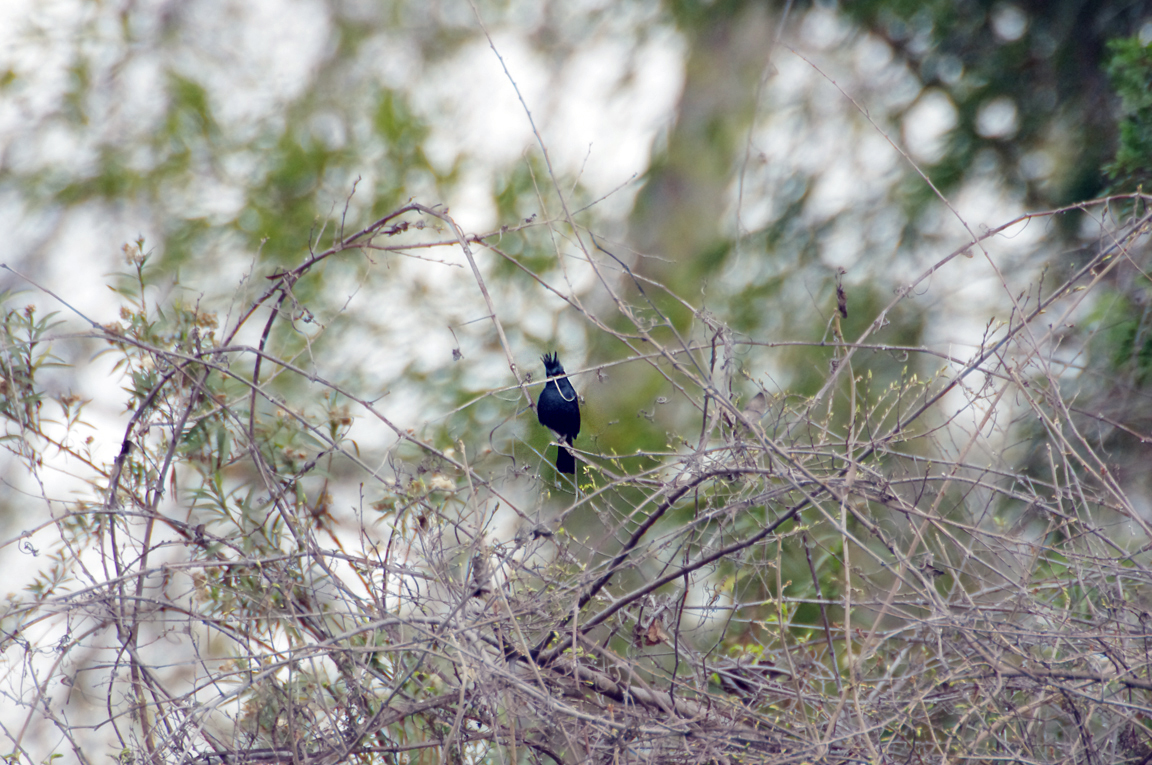
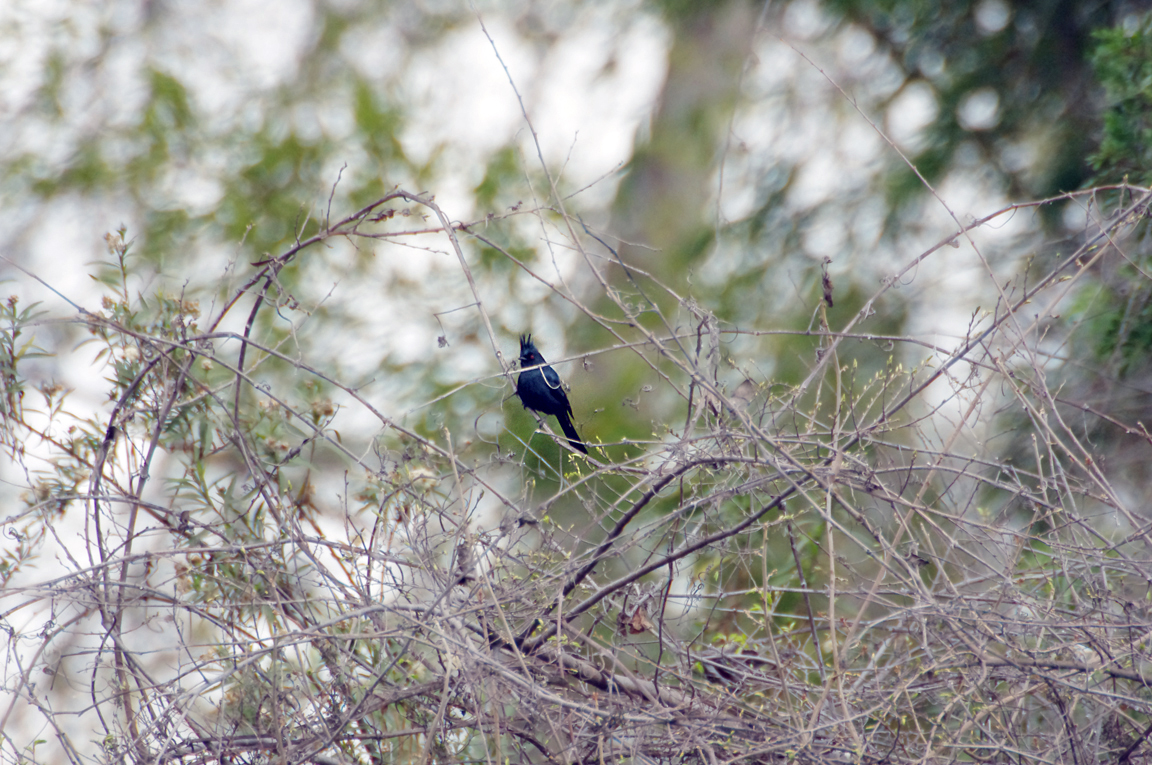
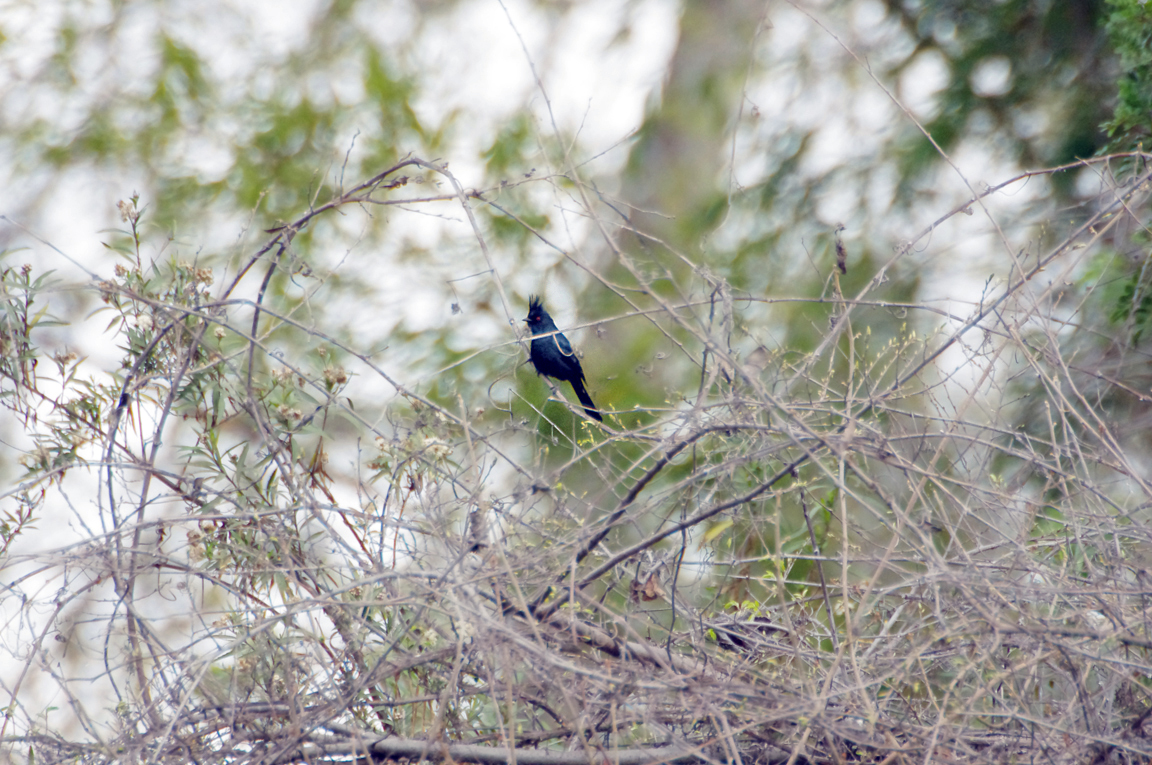
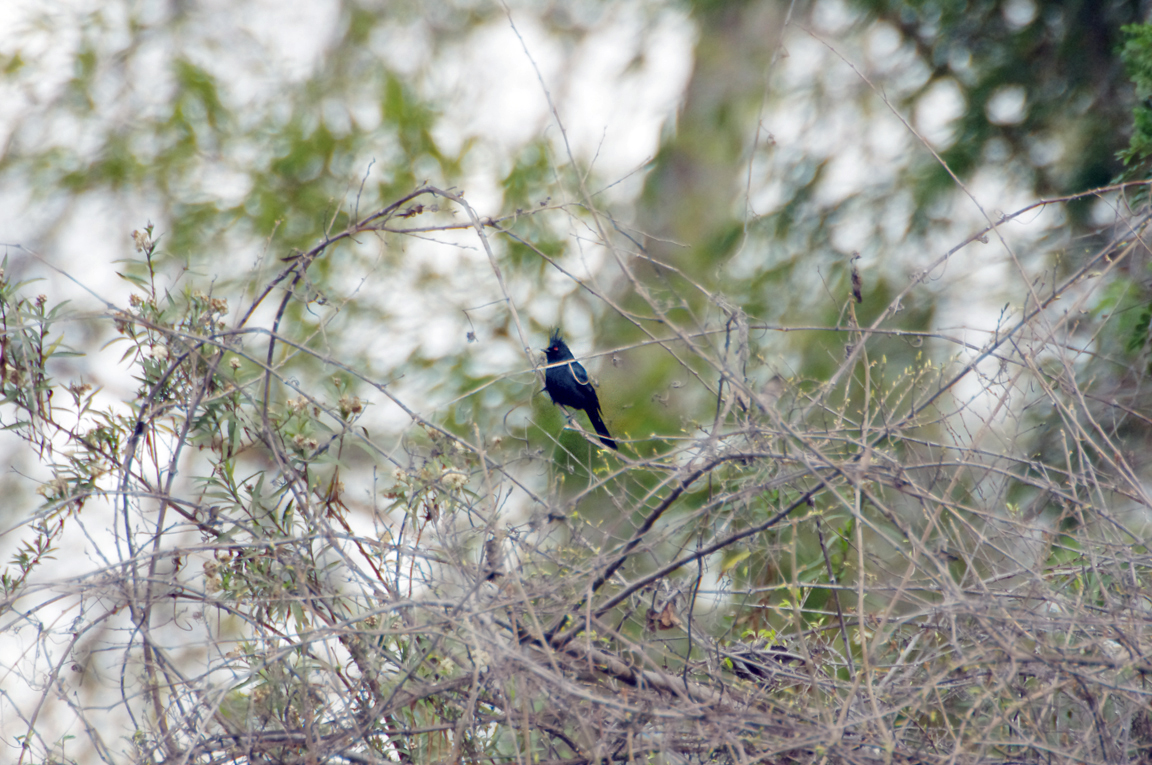
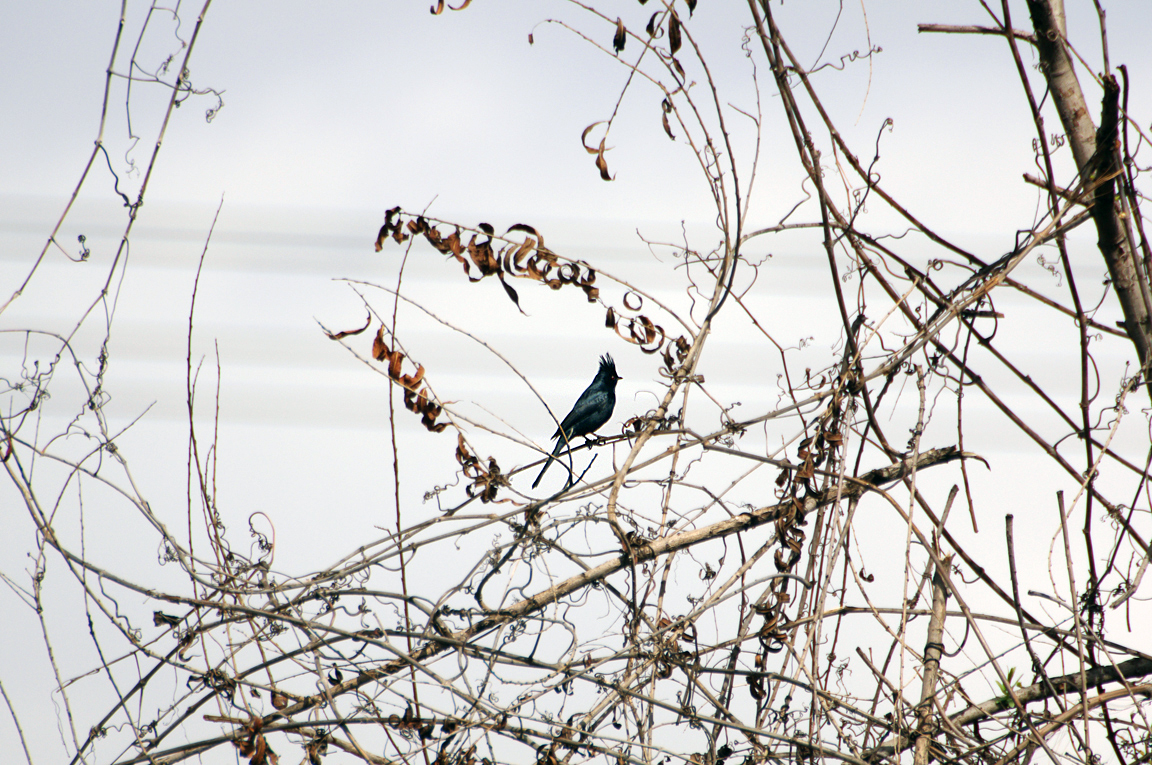
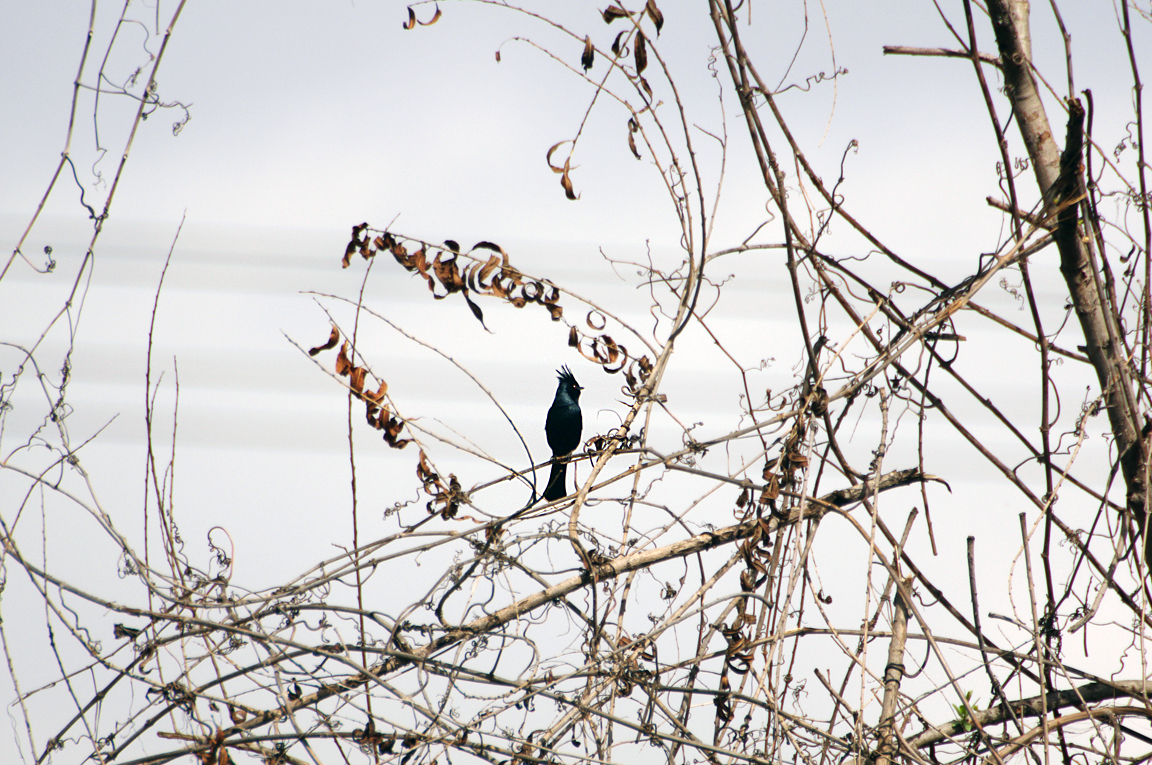
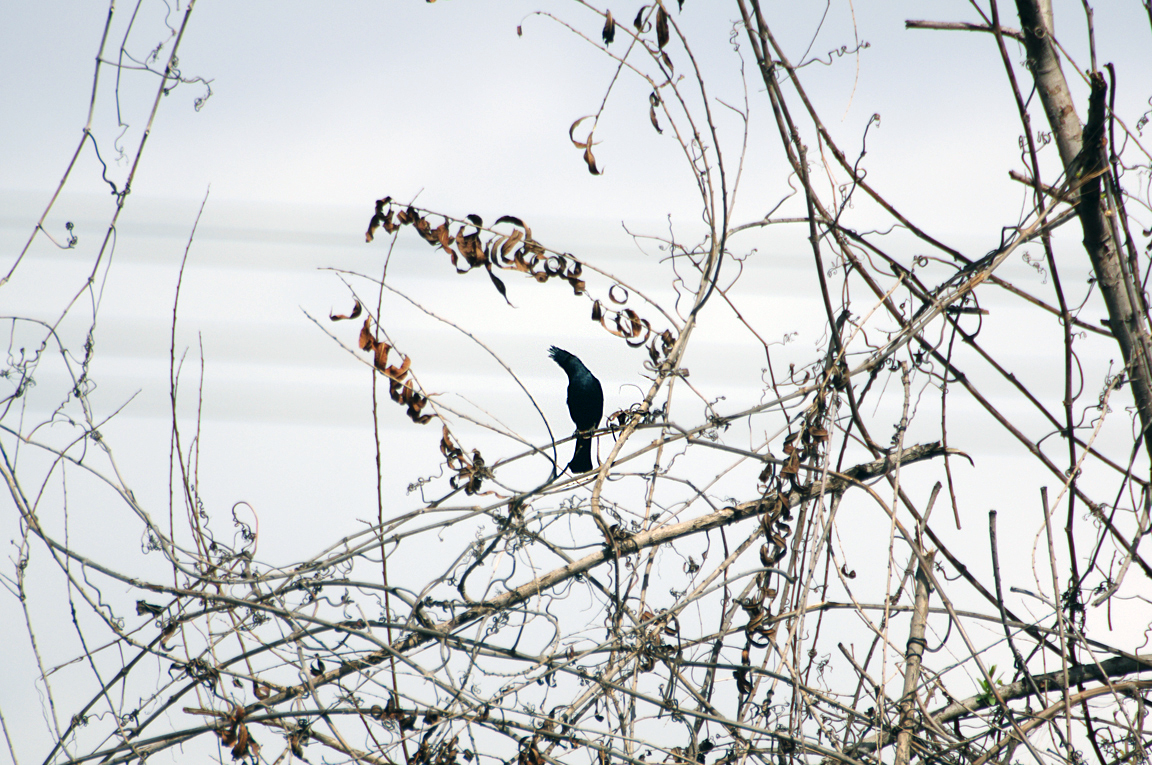
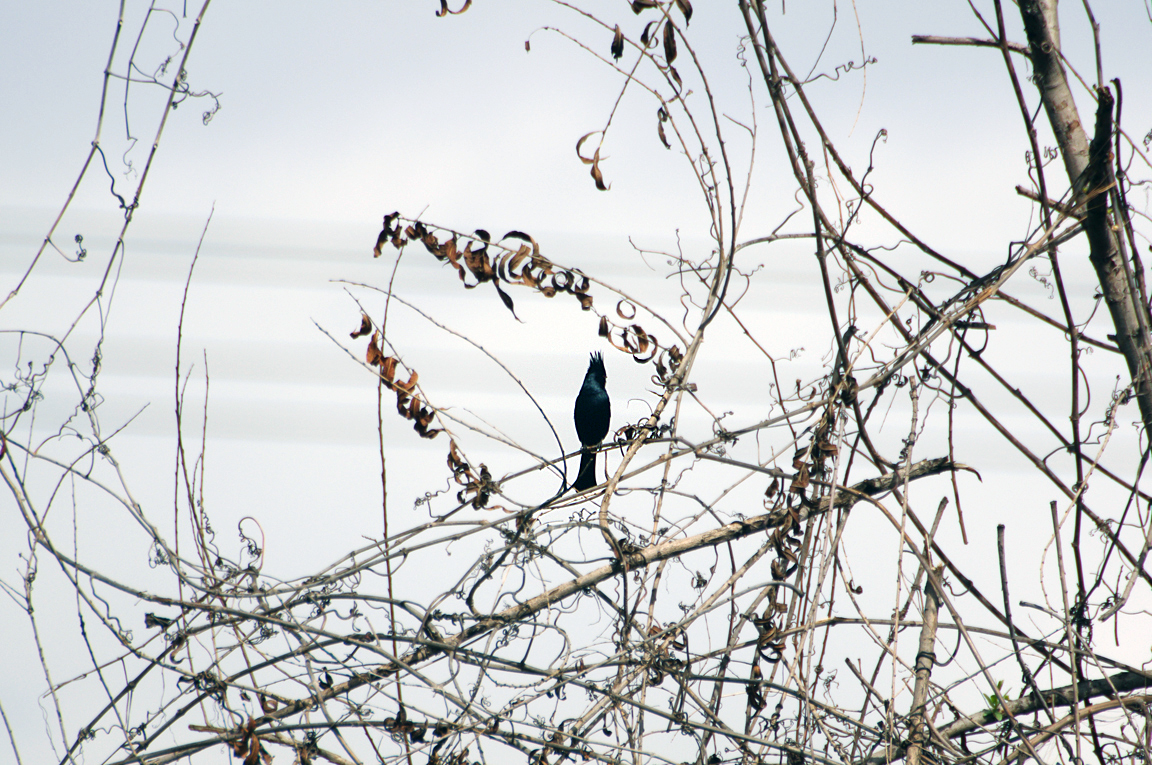
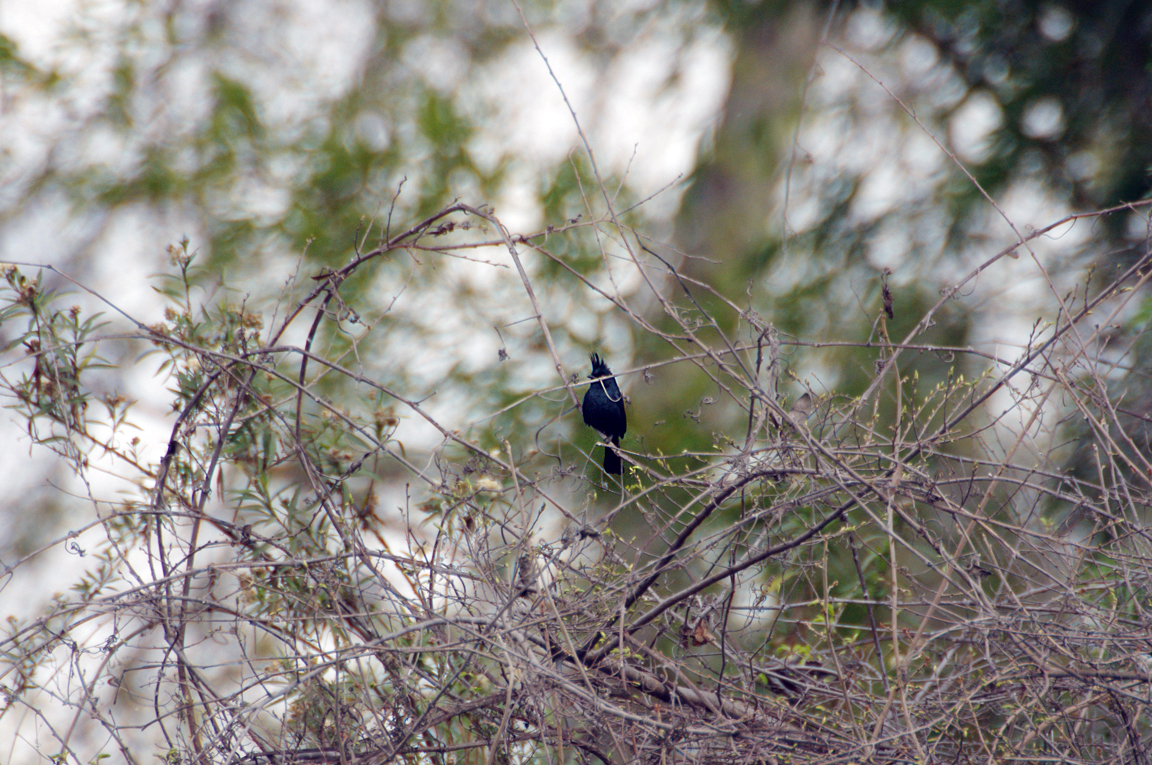
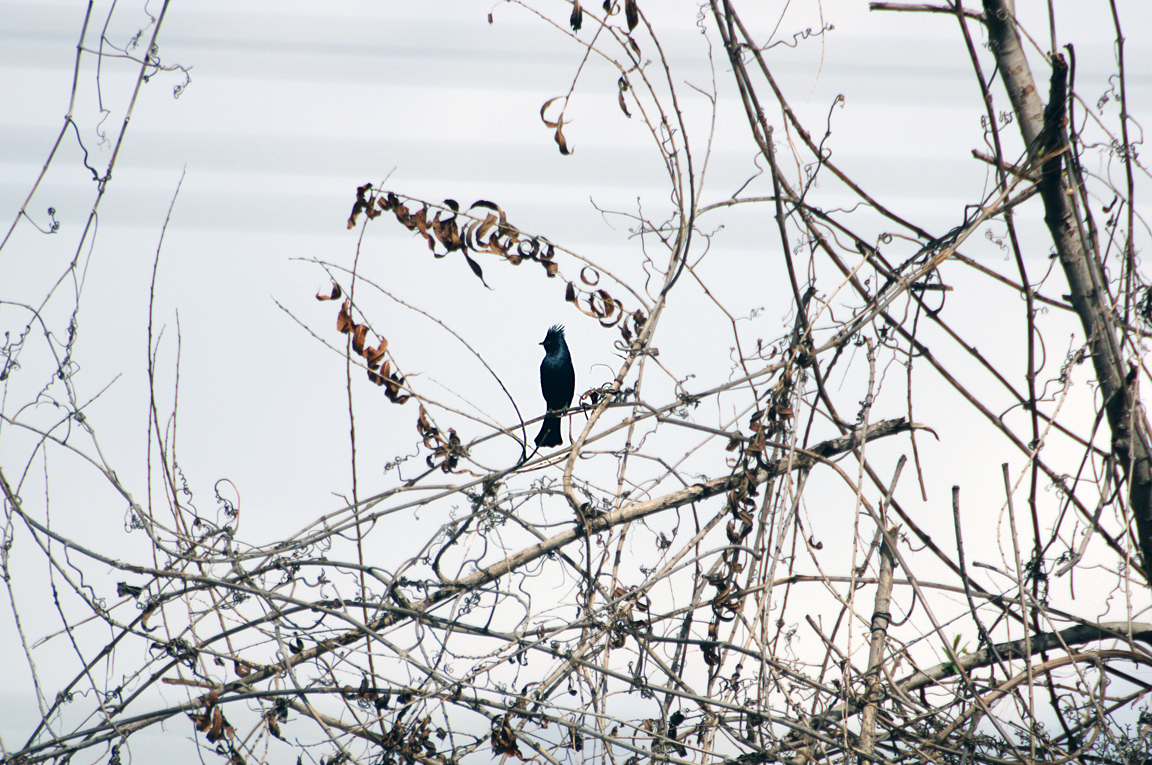
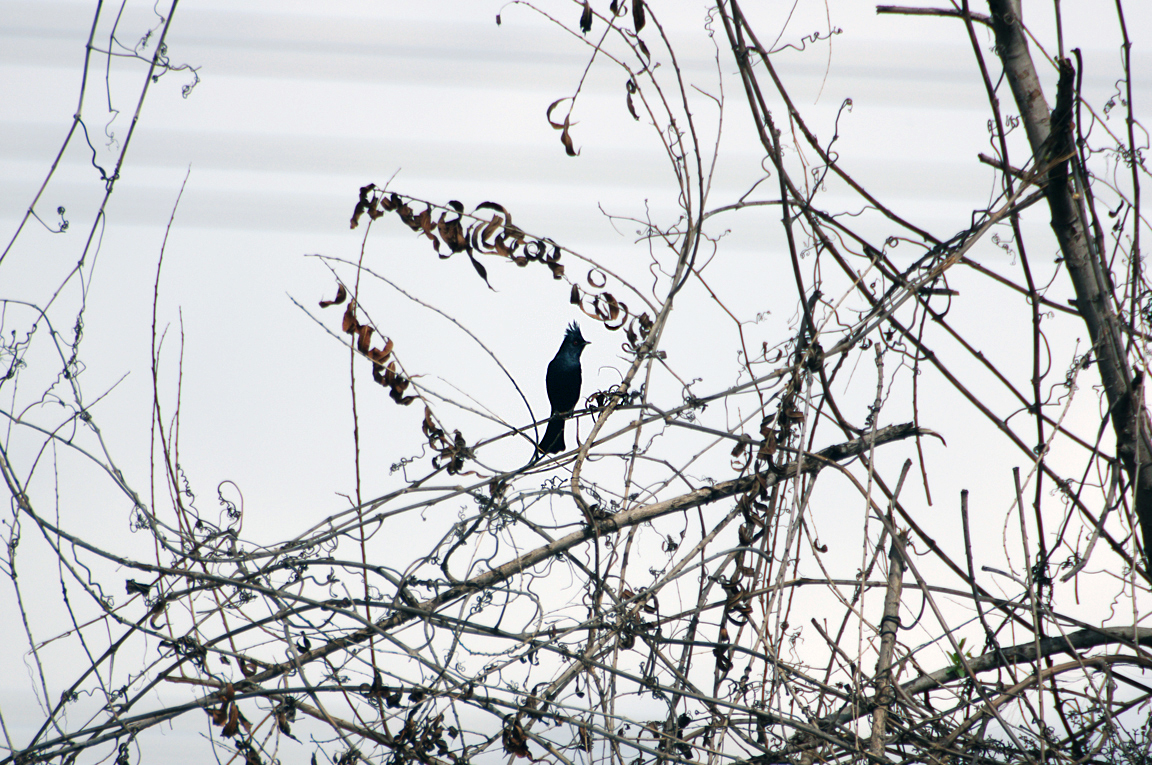
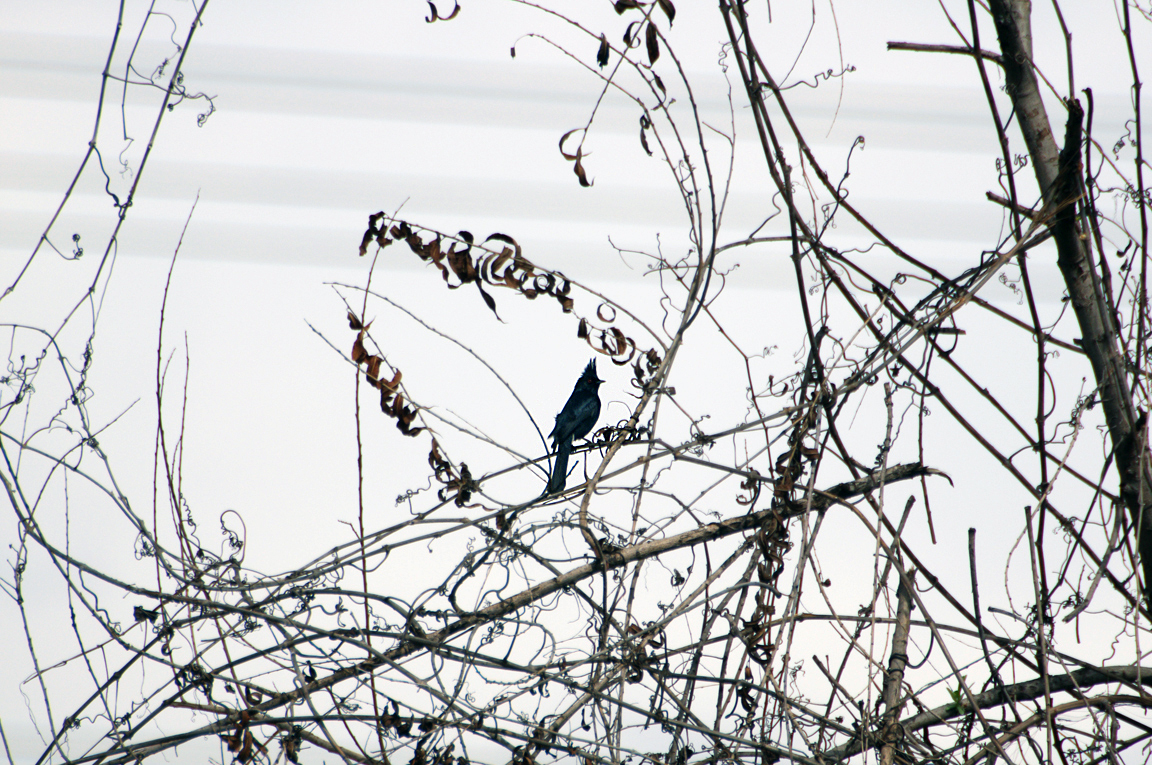
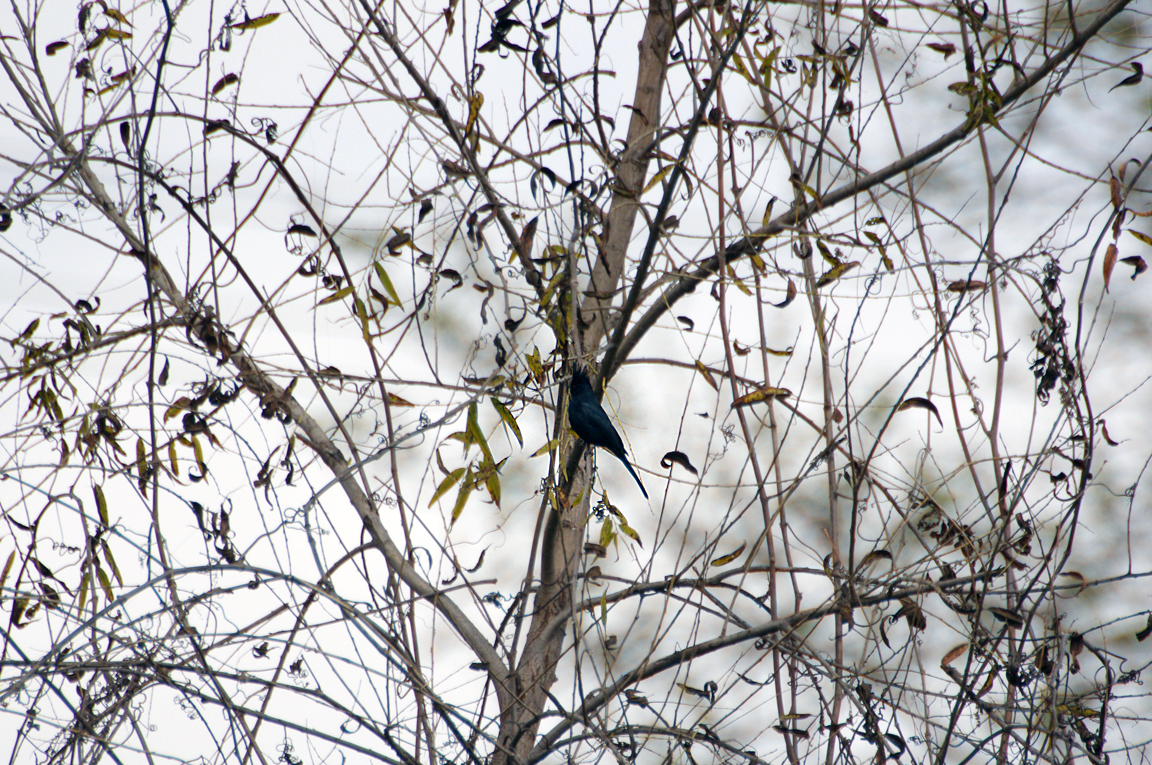
A crested songbird of the deserts and arid woodlands of the southwestern United States and Mexico, the Phainopepla is unique in taxonomy, distribution, and behavior. It is particularly notable for its enigmatic pattern of breeding twice each year, in two different habitats.
Interesting Information
-
The Phainopepla, when pursued by predators or handled by humans, mimics the calls of other birds; imitations of at least 13 species have been recorded.
-
An individual Phainopepla eats at least 1,100 mistletoe berries per day, when they are available.
-
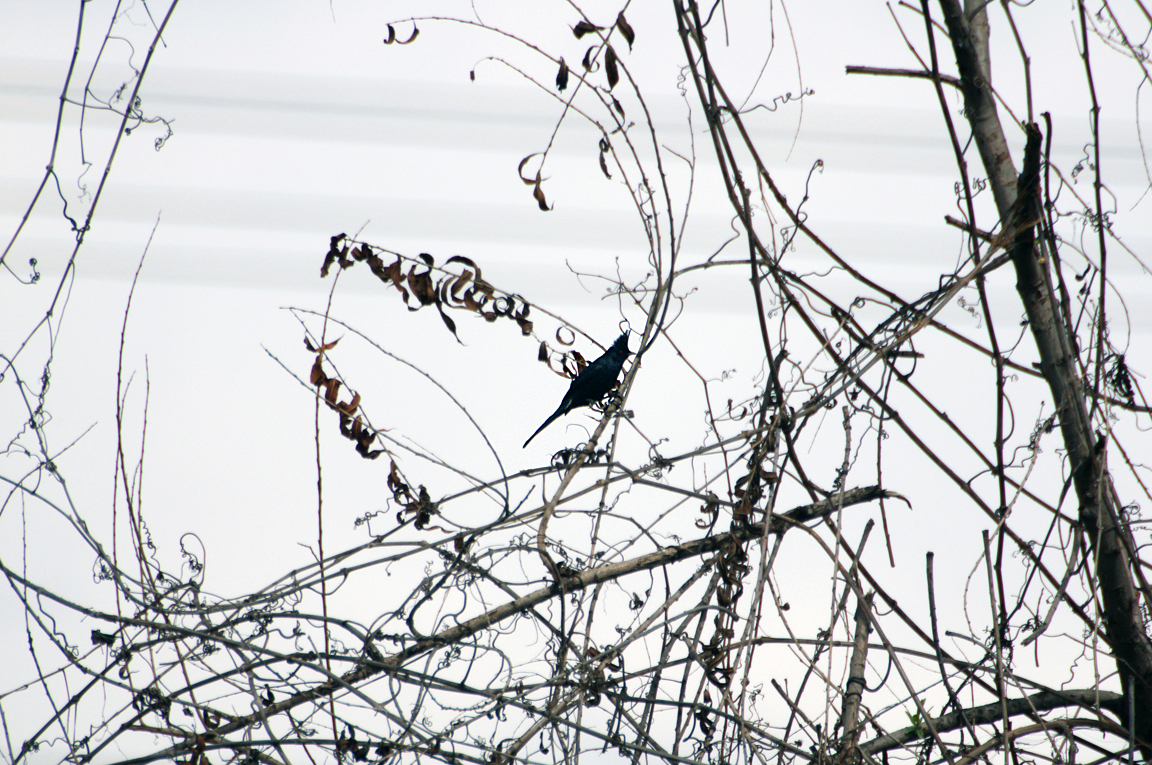
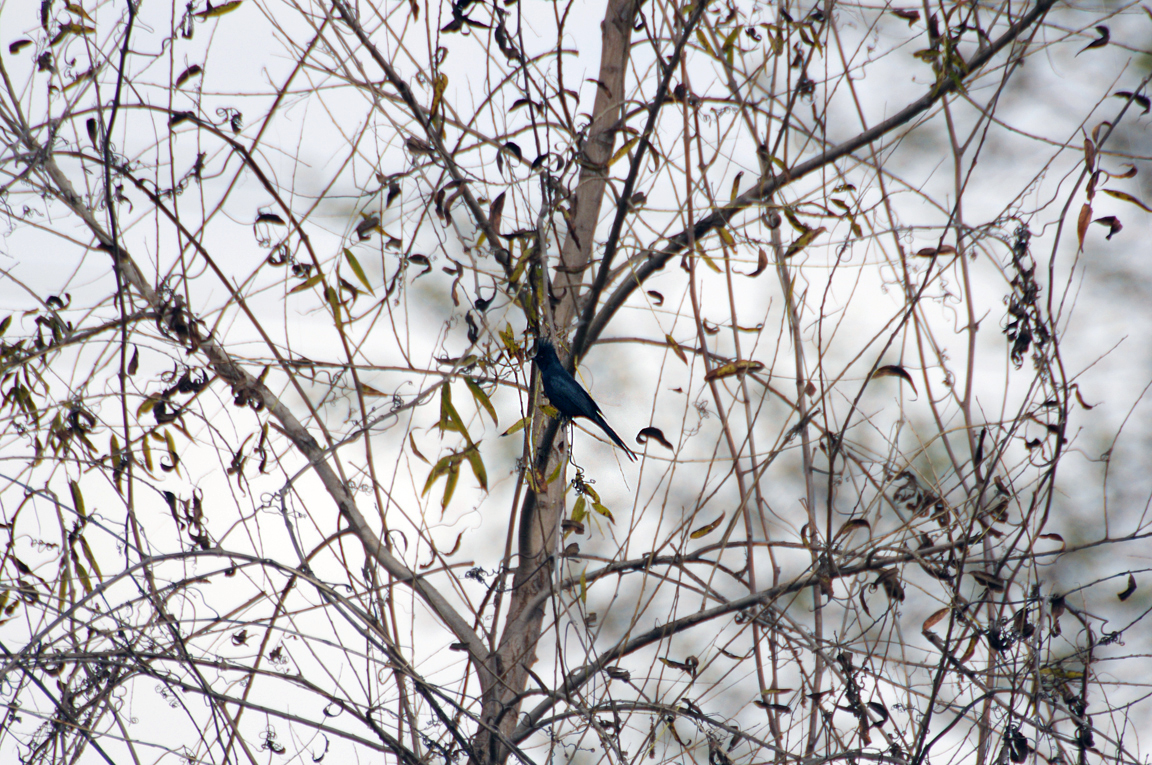
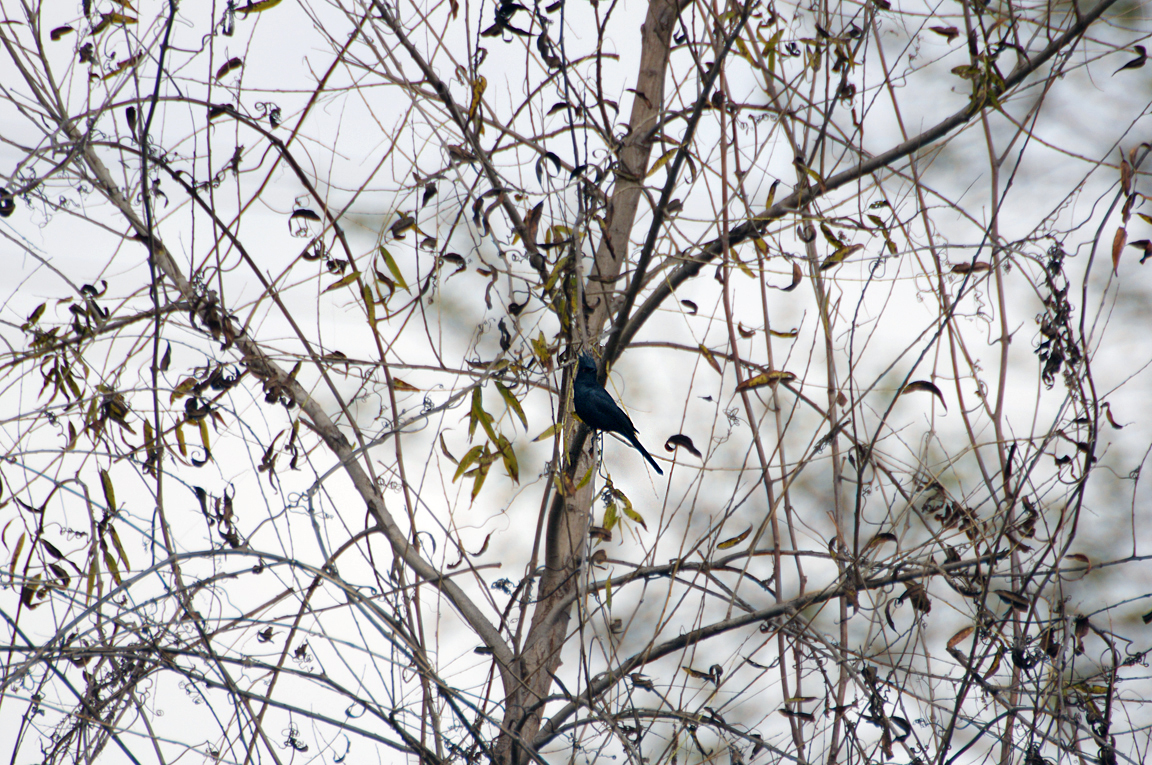
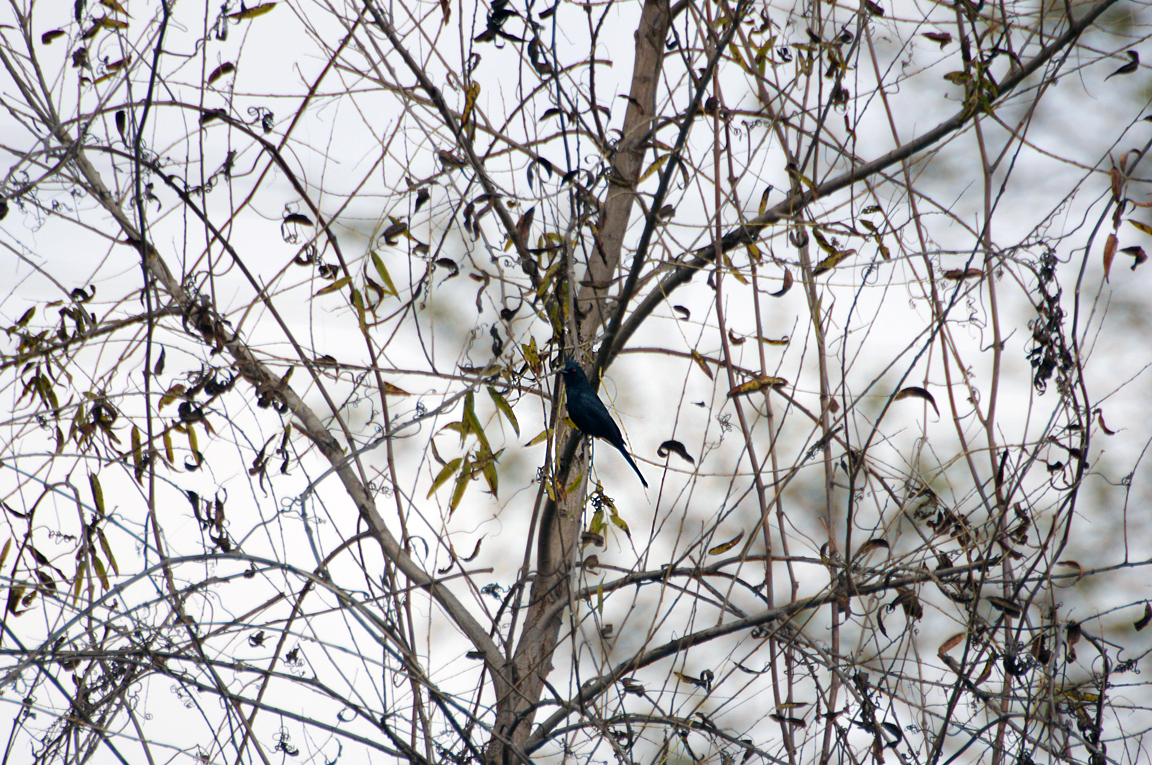
The name "Phainopepla" (pronounced fay-no-PEP-la) comes from the Greek for "shining robe," a fitting characterization of the shiny, jet-black plumage of the adult male.
-
The Phainopepla exhibits strikingly different behaviors in its two habitats. In the desert, it is territorial, actively defending nesting and foraging sites, while in the woodlands it is colonial, with as many as four nesting pairs sharing one large tree.
-
The Phainopepla rarely drinks water, even though research indicates that it loses about 95 percent of its body mass in water per day. Instead, it gets the water it needs from its diet of mistletoe.
Description
Adult Description
-
Medium-sized songbird.
-
Tall, wispy crest.
-
Slender, with long tail.
-
Length Range: 20 cm (7.75 in)
-
Weight: 23 g (0.8 oz)
-
Size: Small (5 - 9 in)
Sex Differences
-
Male shiny black.
-
Female all gray.
Immature
Immature resembles adult female, but more brownish, and with brown eyes.
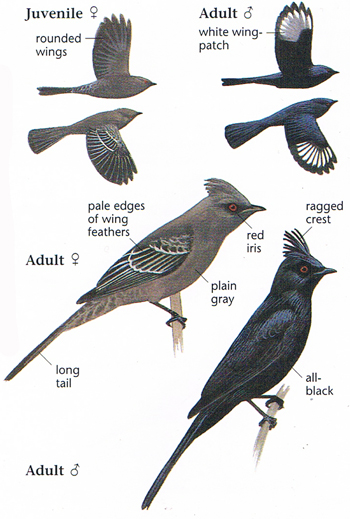
Photo taken from: The Sibley Field Guide by David Allen Sibley
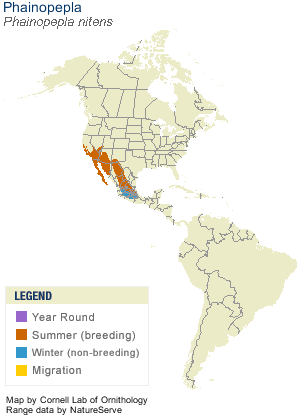
© 2003 Cornell Lab of Ornithology
|
Habitat |
|
Desert, riparian woodlands, and chaparral. |
|
Behavior |
|
Picks berries from mistletoe clusters. Catches insects on the wing, sometimes together with other Phainopeplas. Perches on tops of trees and shrubs. |
|
Food |
|
Mistletoe berries, other berries, and flying insects. |
Taxonomy
| Kingdom: | Animalia |
| Phylum: | Chordata |
| Subphylum: | Vertebrata |
| Class: | Aves |
| Order: | Passeriformes |
| Family: | Ptilogonatidae |
| Genus: | Phainopepla |
| Species: | Phainopepla nitens |
Similar Species |
|
|
Bird Sound |
|
Call a rising "wurp." Song complex, with at least 14 different identifiable elements, though notes and phrases often seem weak and disjointed. Includes a sprightly, whistled "wheeda-lay" |
|
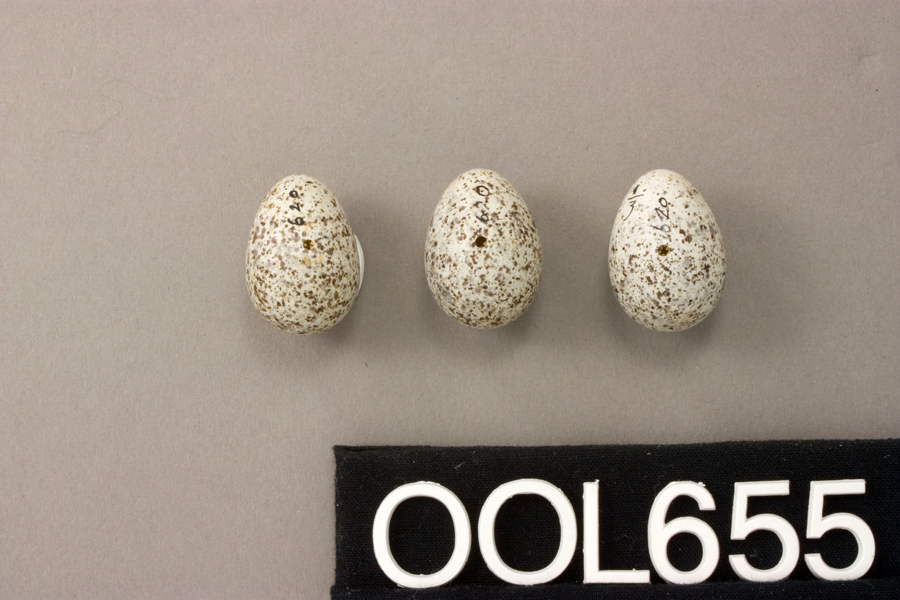
Eggs look like this |
|
Photo taken from: ARCTOS Collaborative Collection Management Solution |



.png)


|
|
Sources Used To Construct This Page |
|||
|
||||
 |
 |
 |
 |
|
| All photos and videos © Rick Swartzentrover - Free for non-profit use. | ||||