|
|
|
 |
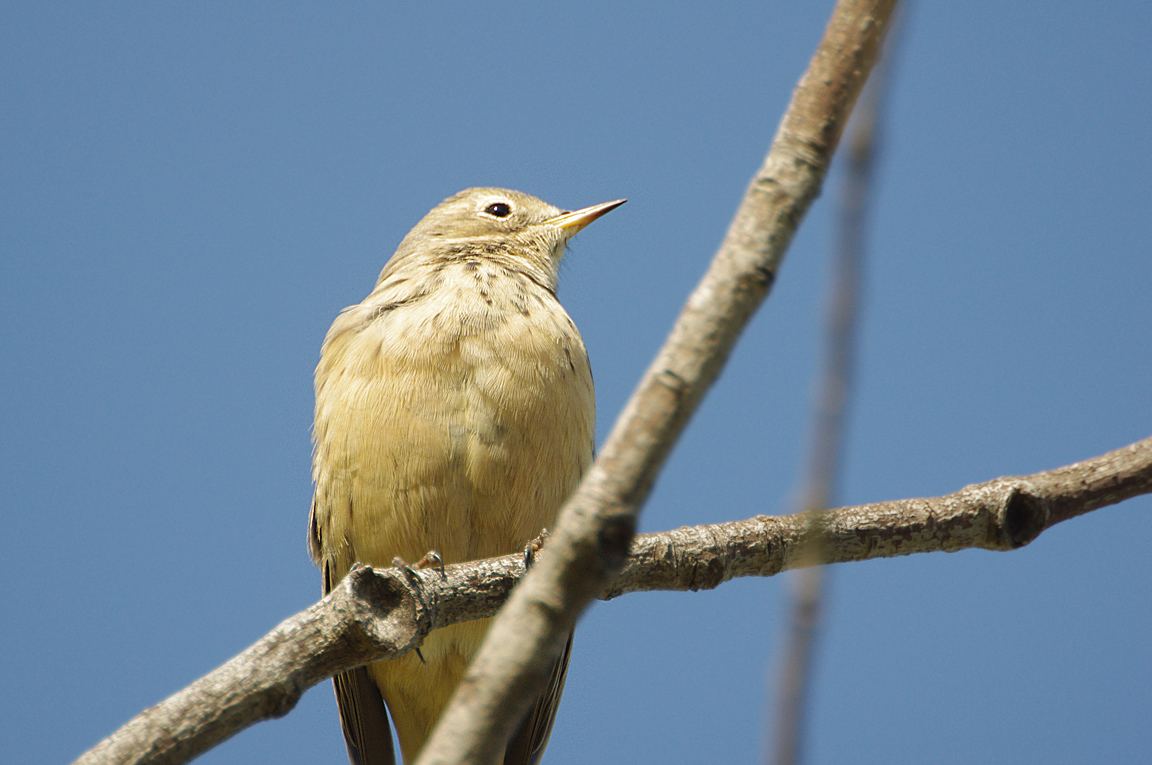
American Pipit
|
| Anthus rubescens | |
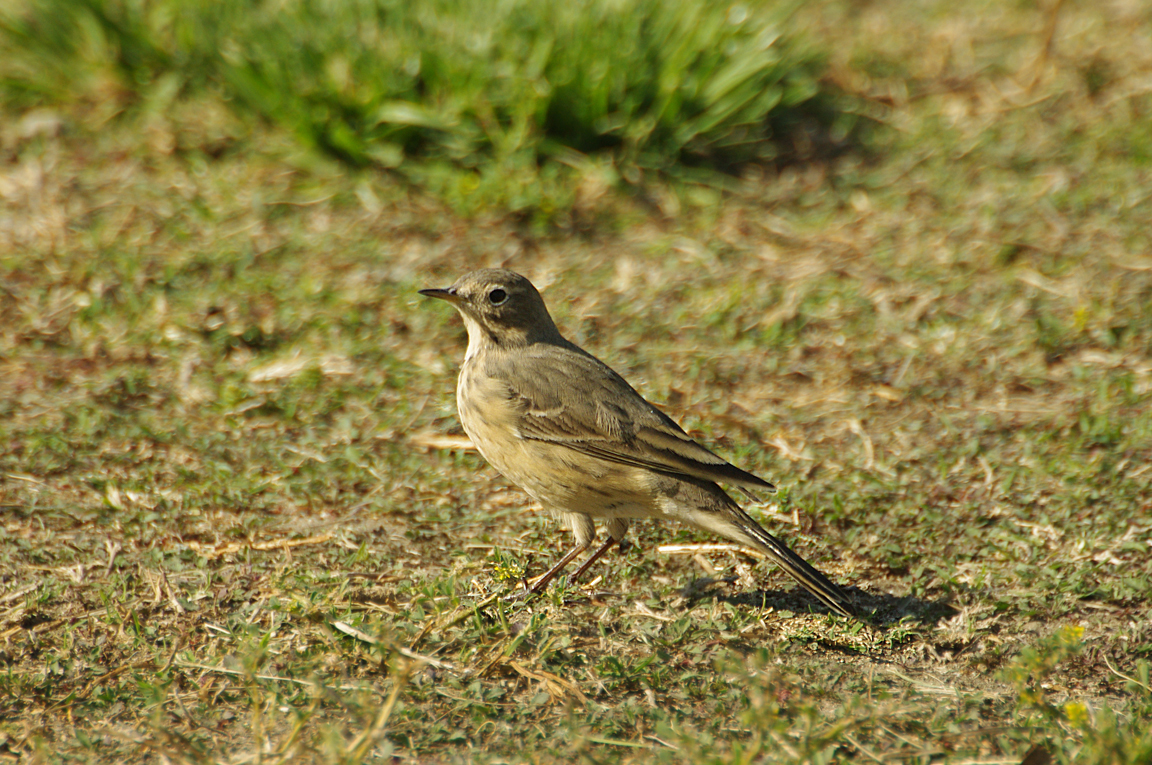
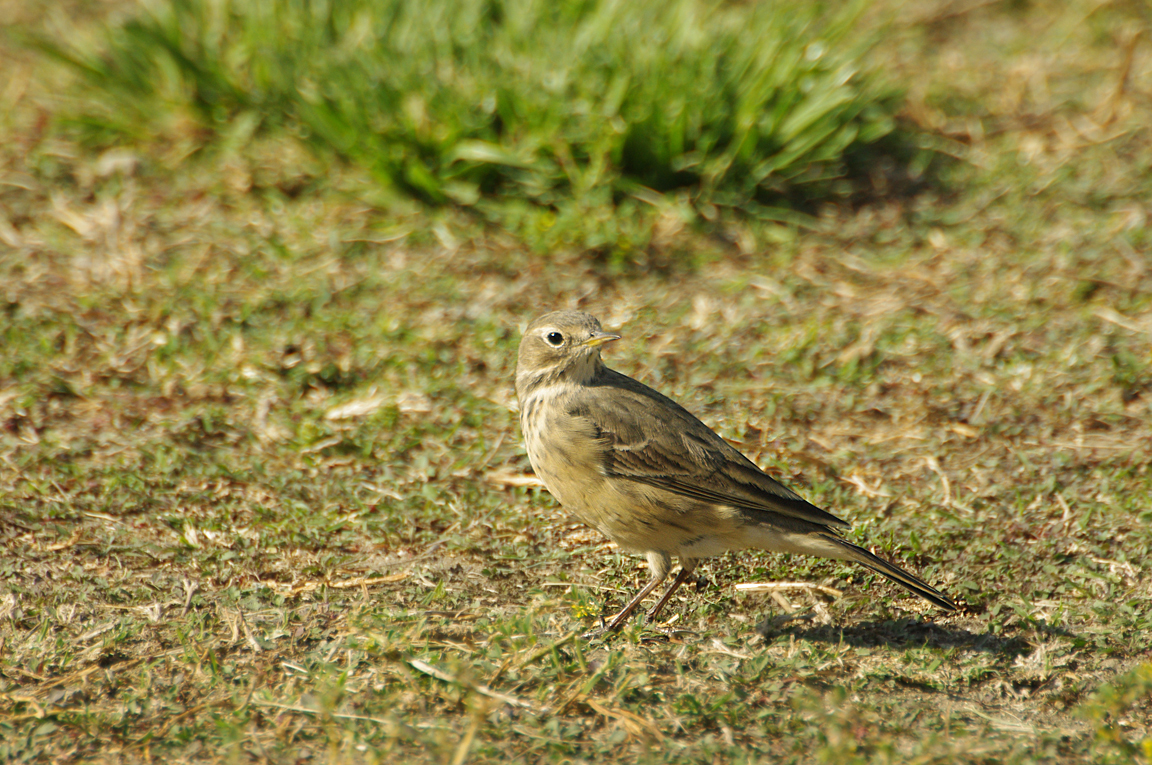
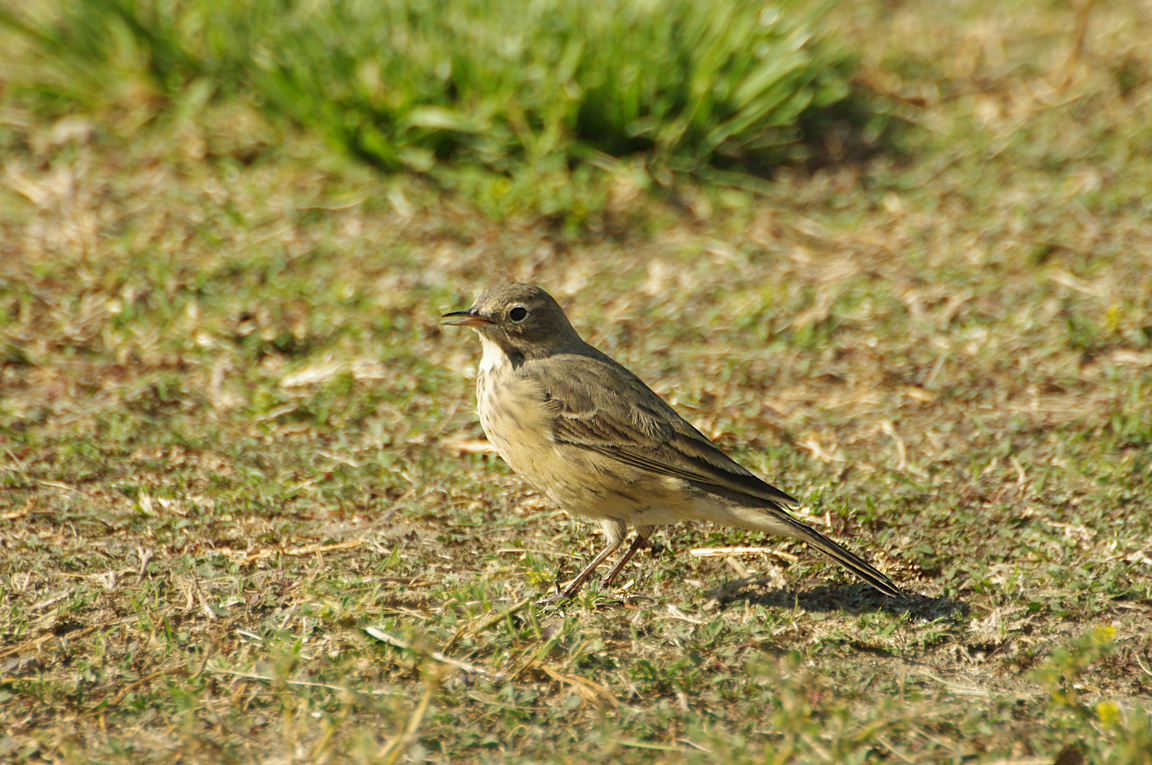
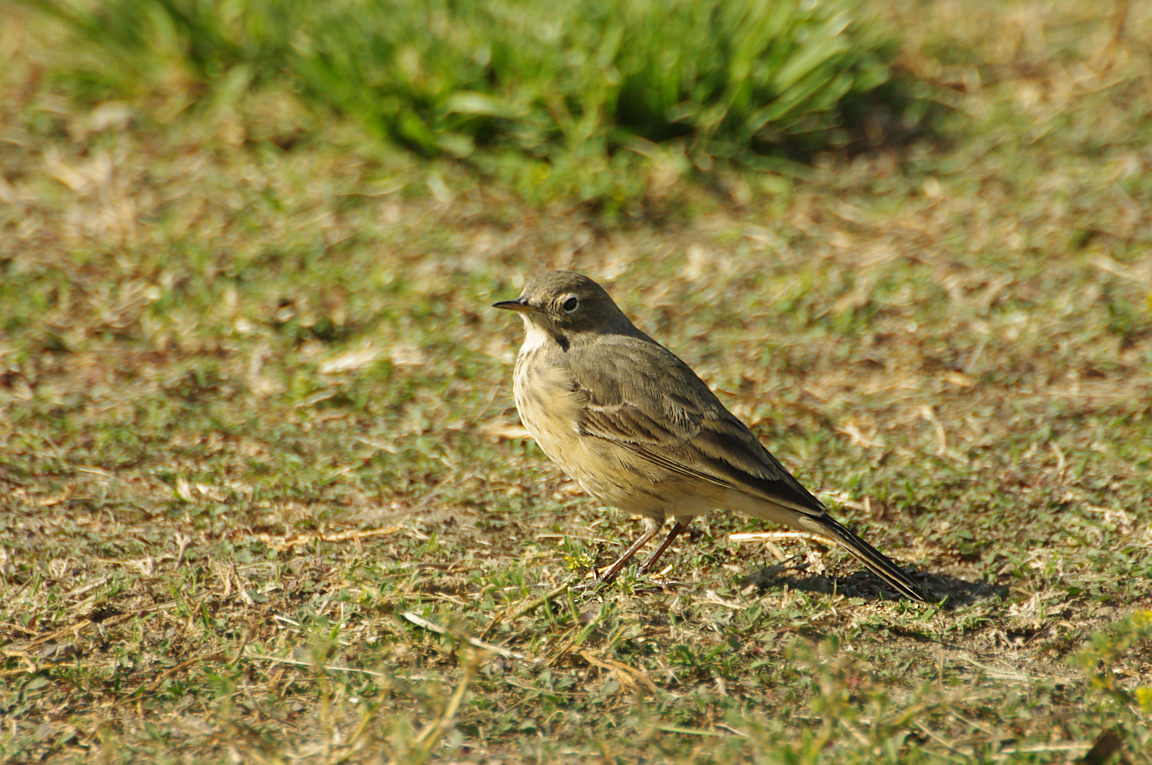
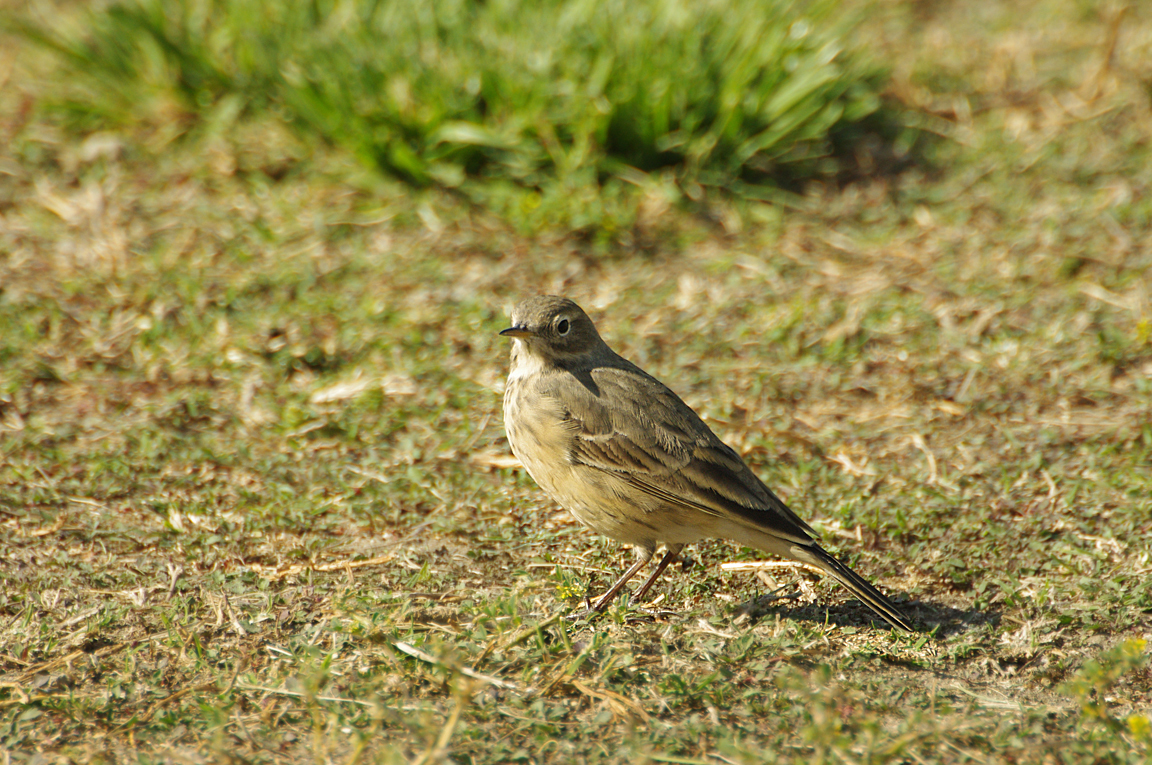
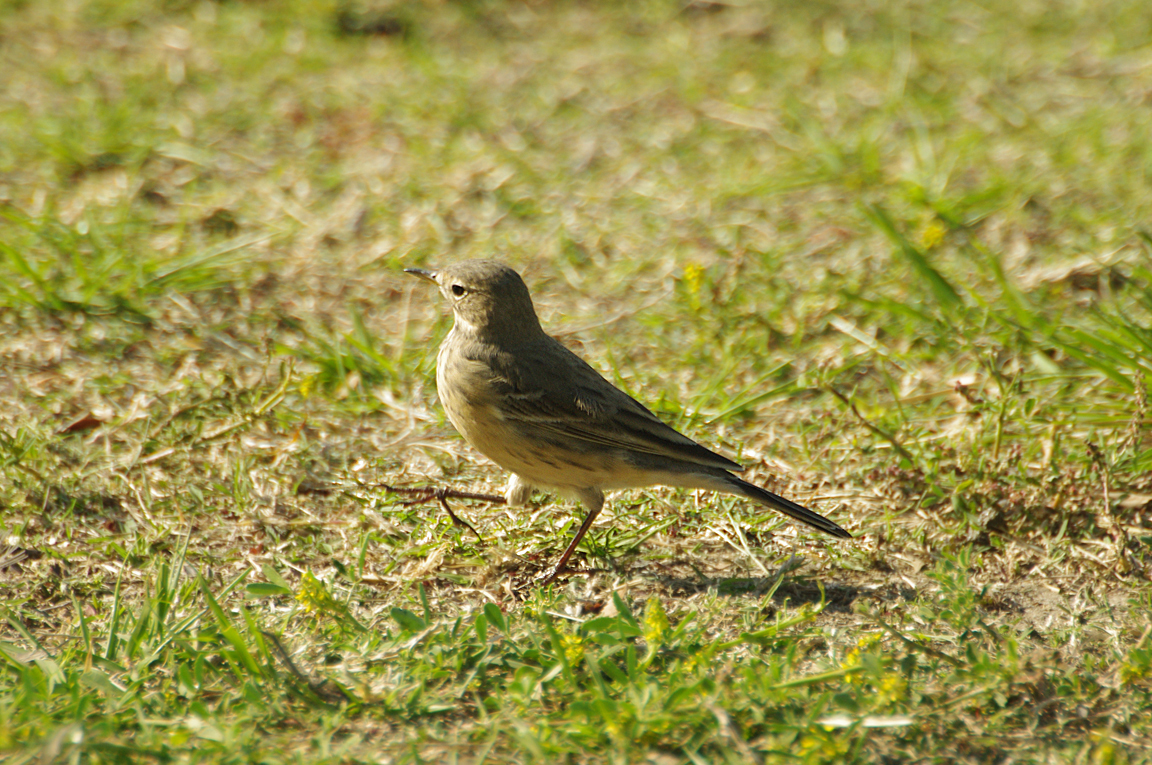
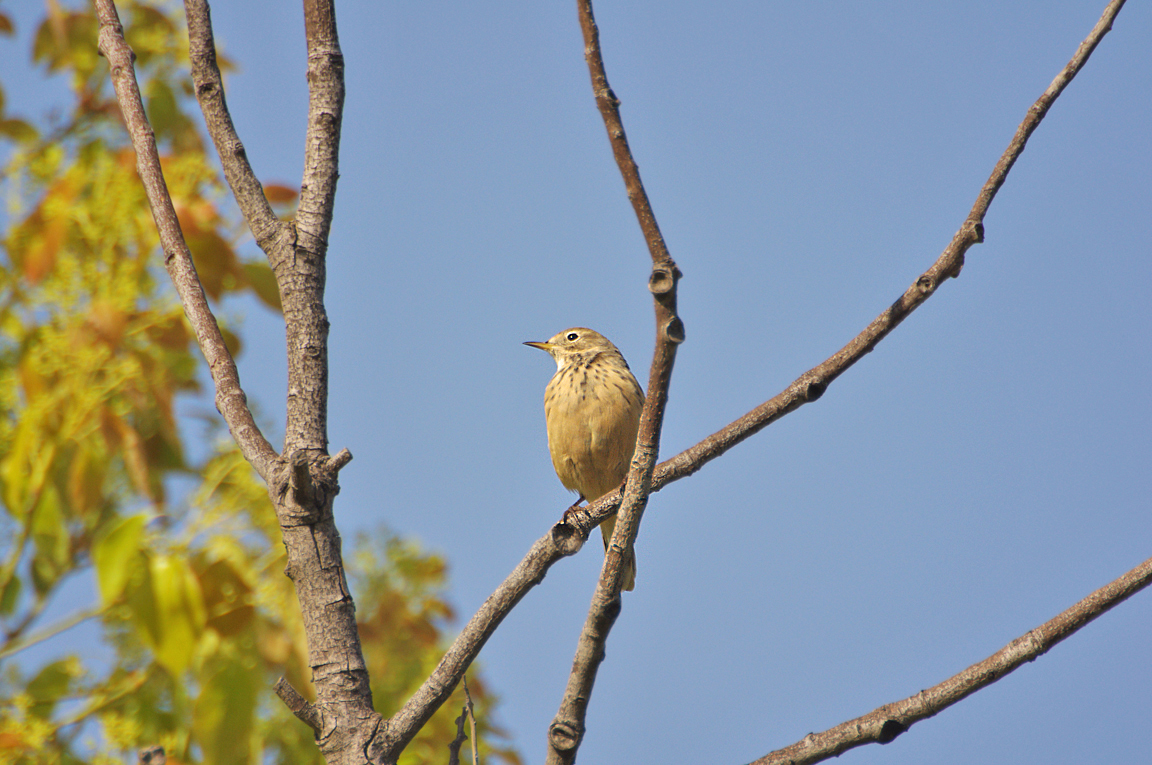
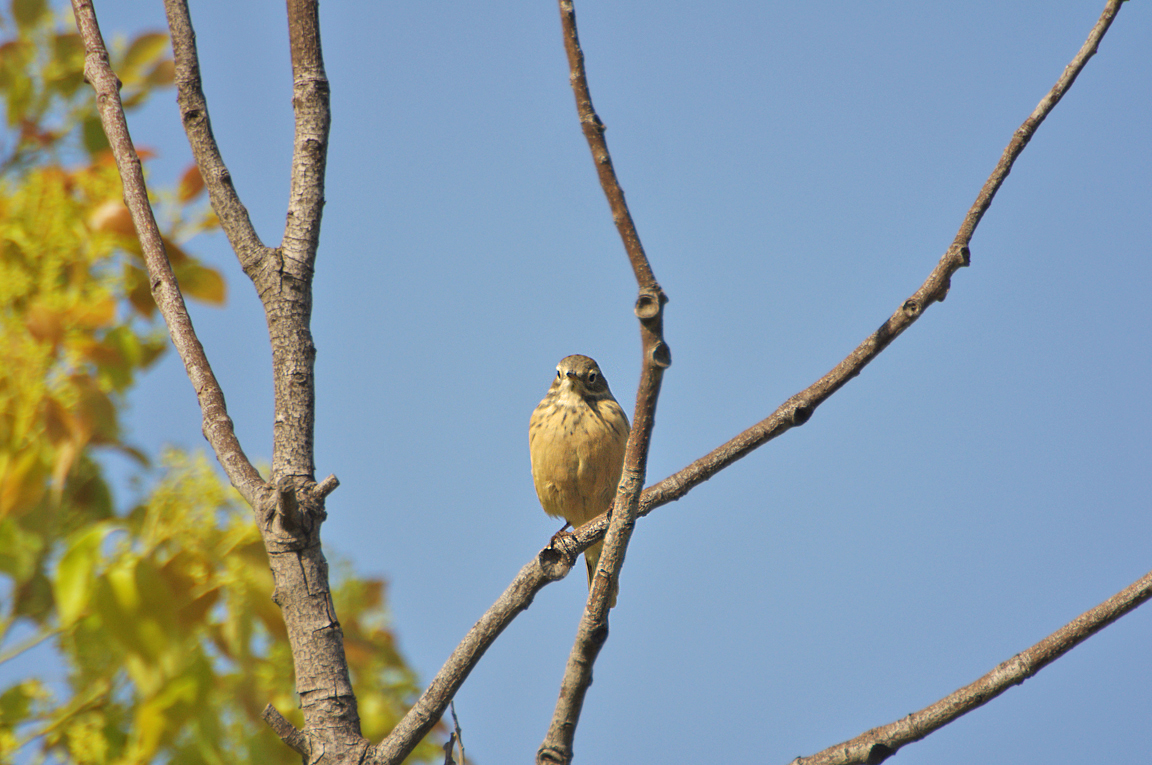
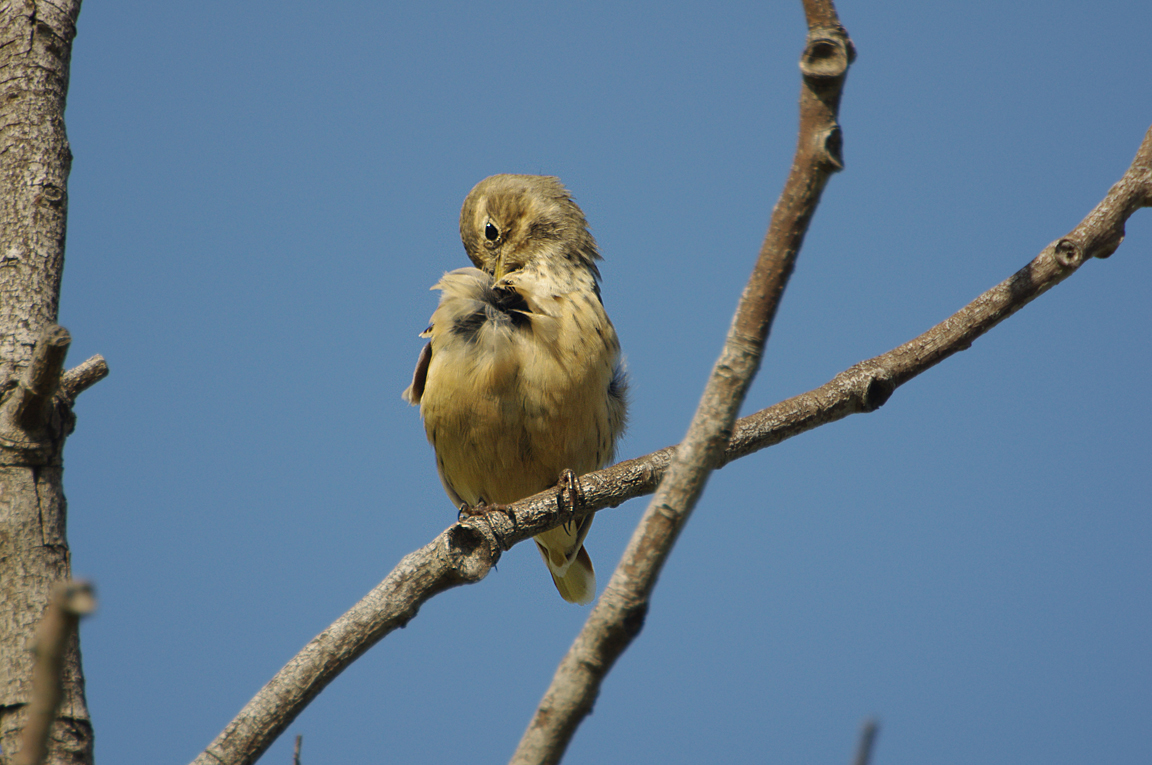
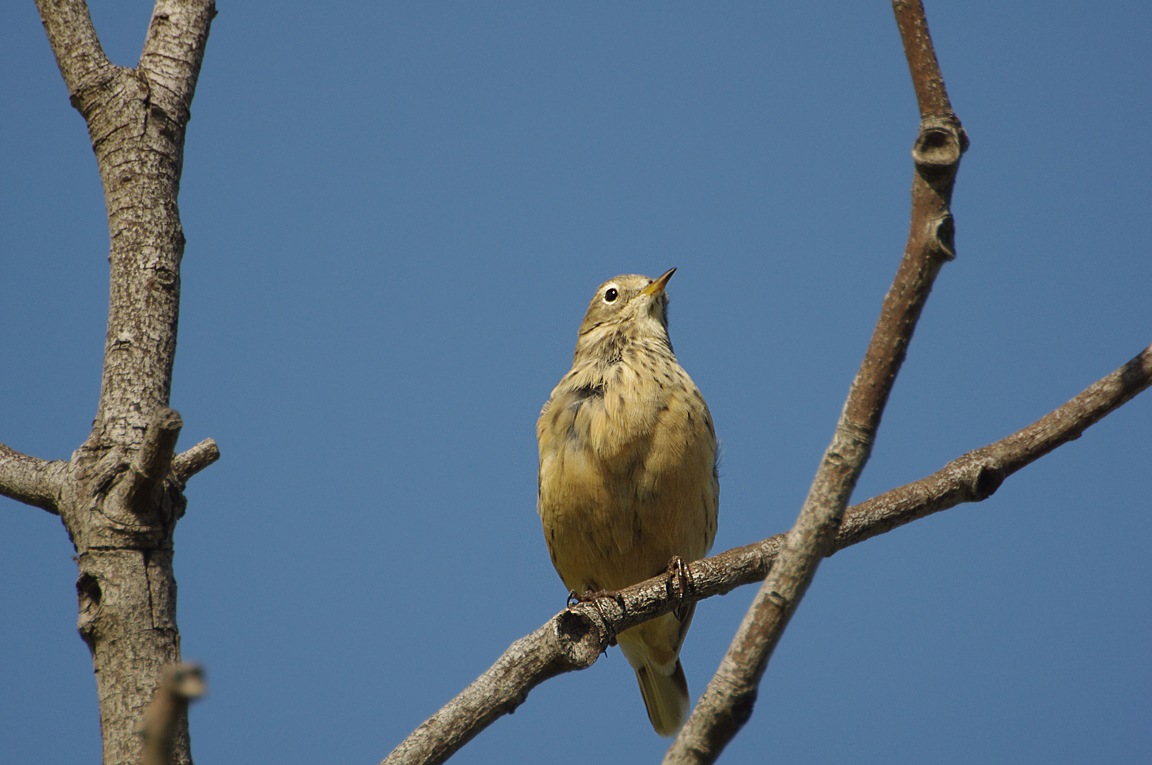
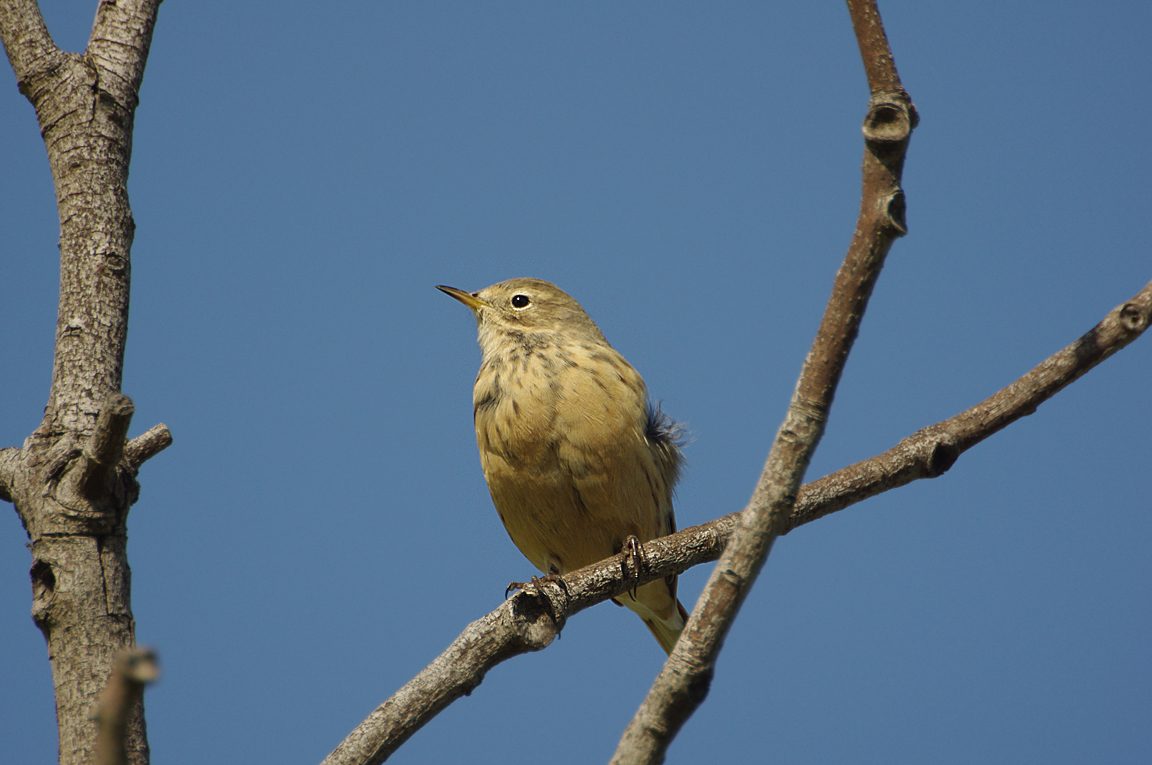
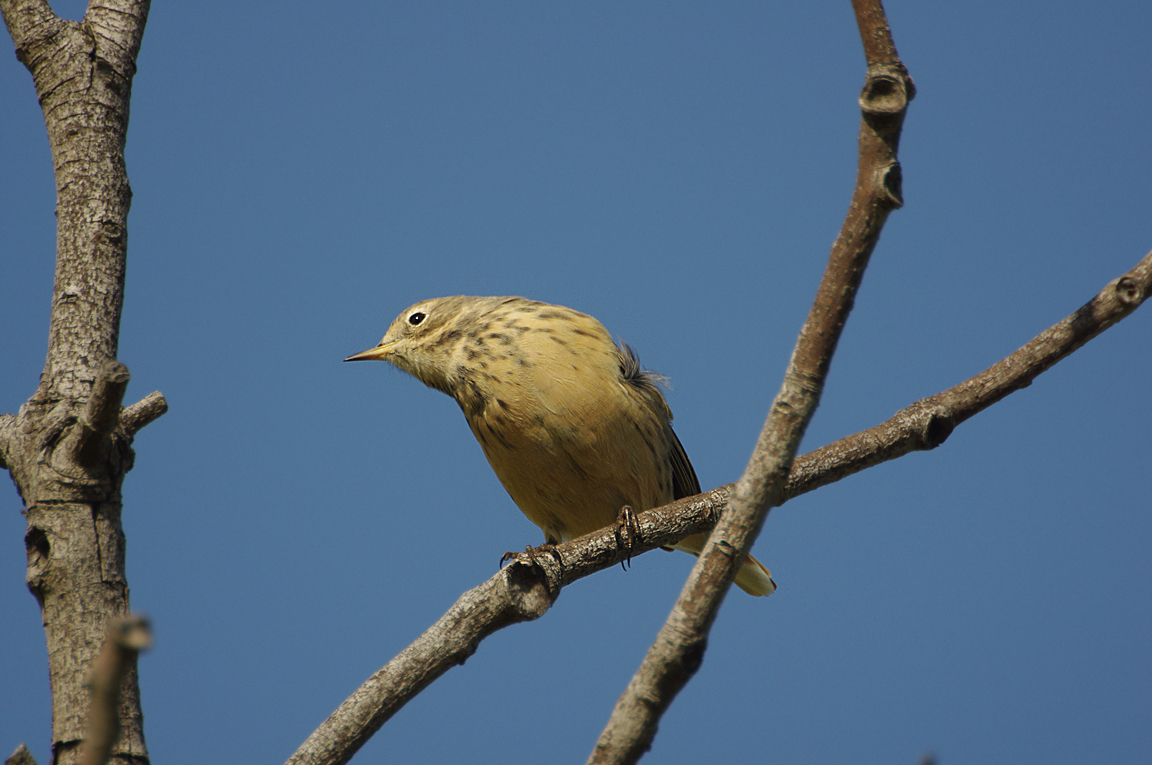
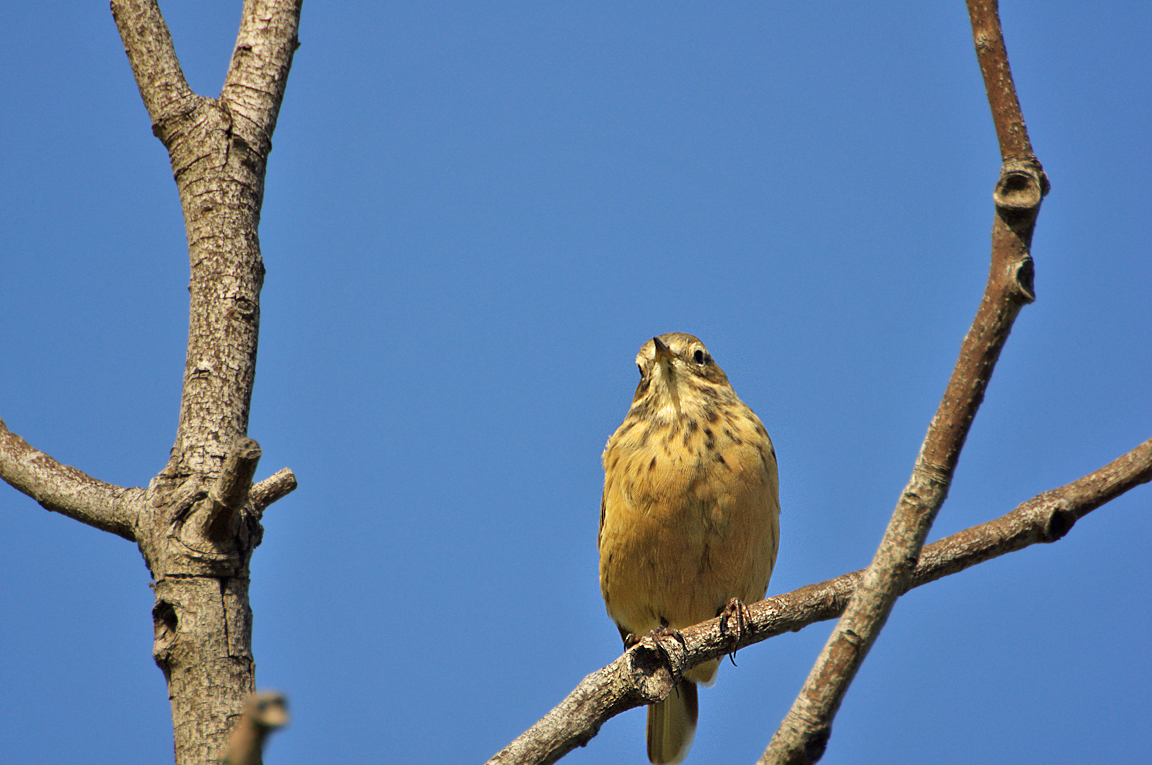
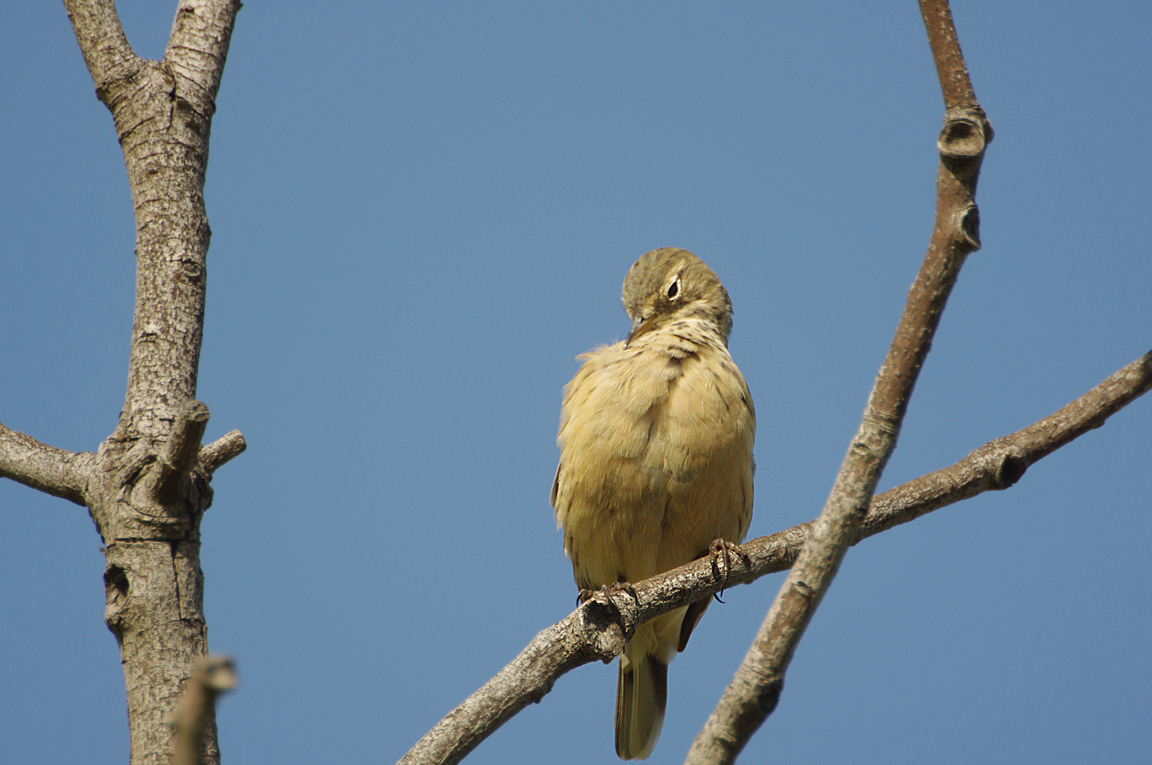
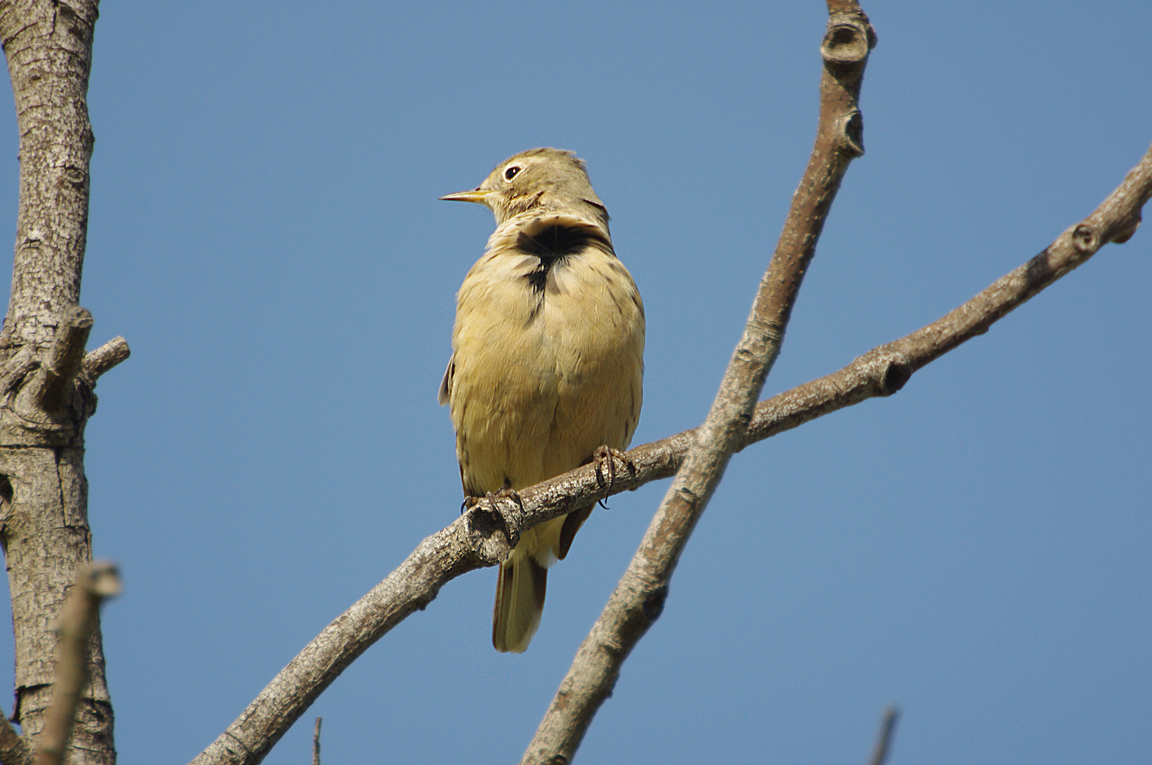
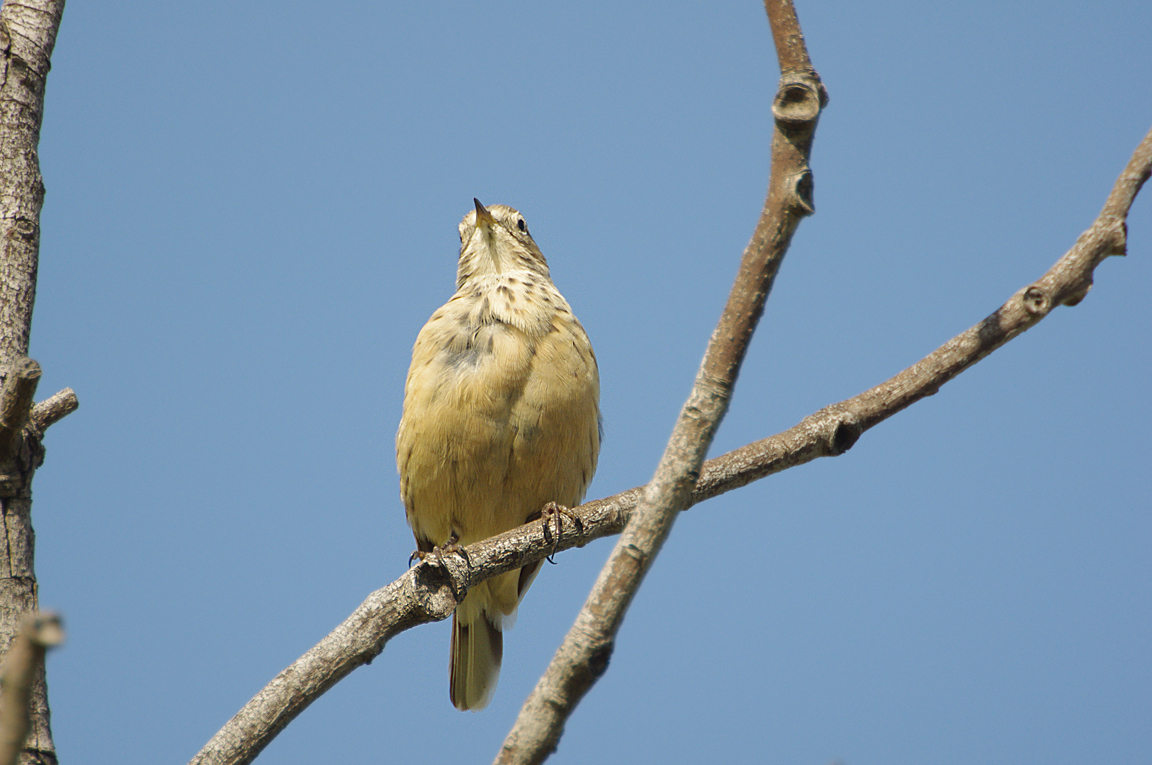
The American Pipit is a small, slender, drab bird of open country. Although it appears similar to sparrows, it can be distinguished by its thin bill and its habit of bobbing its tail.
Interesting Information
-
The American Pipit was long known as the Water Pipit (Anthus spinoletta ), a wide ranging species with seven subspecies occurring from the shores of Great Britain and Scandinavia, and the high mountains of Europe and central Asia, to North America. Recent taxonomic studies, however, have shown that the three North American subspecies, along with the most eastern Asiatic one, are best regarded as a distinct species.
-
In an alpine population in the Beartooth Mountains of Wyoming, a snow storm buried 17 American Pipit nests for 24 hours. All of the nestlings that were 11 days or older survived, but only a few of the younger ones did.
Description
Adult Description
-
Medium-sized songbird.
-
Brown and striped.
-
Thin bill.
-
White outer tail feathers.
-
Bobs tail up and down.Length Range: 17 cm (6.5 in)
-
Weight: 23 g (0.8 oz)
-
Size: Small (5 - 9 in)
Sex Differences
Sexes Similar
Immature
Similar to adult.
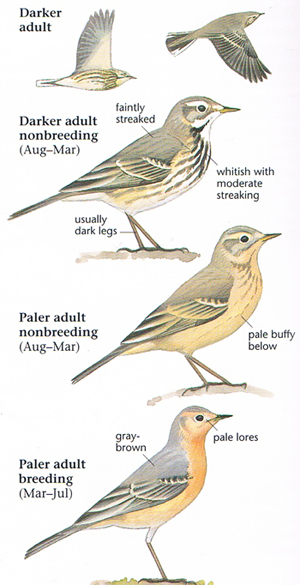
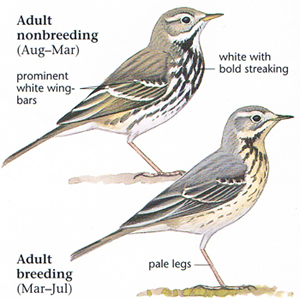
Photo taken from: The Sibley Field Guide by David Allen Sibley
© 2003 Cornell Lab of Ornithology
|
Habitat |
|
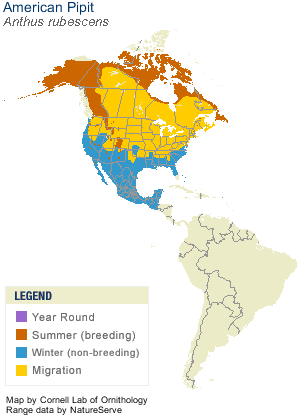
Breeds in arctic and alpine tundra. In migration and winter uses coastal beaches and marshes, stubble fields, recently plowed fields, mudflats, and river courses. |
|
Behavior |
|
Walks or runs while pecking at ground or gleaning from low vegetation, frequently changing direction; occasional short flights from ground or boulders to pursue prey. Feeds in large flocks in fall and winter. |
|
Food |
|
Insects and seeds. |
Taxonomy
| Kingdom: | Animalia |
| Phylum: | Chordata |
| Subphylum: | Vertebrata |
| Class: | Aves |
| Order: | Passeriformes |
| Family: | Motacillidae |
| Genus: | Anthus |
| Species: | Anthus rubescens |
Similar Species |
|
|
Bird Sound |
|
Song a series of high, jangling notes. Call a quick, dry "pip-it." |
|
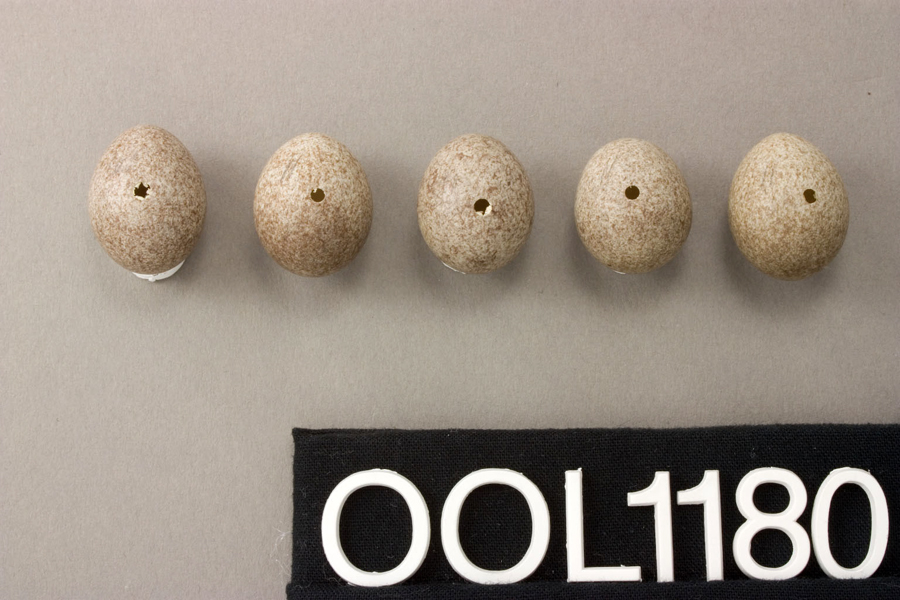
Eggs look like this |
|
Photo taken from: ARCTOS Collaborative Collection Management Solution |



.png)


|
|
Sources Used To Construct This Page |
|||
|
||||
 |
 |
 |
 |
|
| All photos and videos © Rick Swartzentrover - Free for non-profit use. | ||||